
What is a SIC?
A special infrastructure contribution (SIC) is determined under the Environmental Planning and Assessment Act 1979. It is one way the NSW Government ensures funding is available for key state and regional infrastructure required to support growing communities, allowing priority infrastructure to be delivered at the same time as development.
A SIC is paid by developers within a defined special contributions area (SCA) to help fund infrastructure delivery. This contribution helps to support key infrastructure such as state and regional roads, open space, schools and health facilities.
A new approach to state infrastructure contributions, the Housing and Productivity Contribution (HPC), was introduced on 1 October 2023.
There are currently no active Special Contributions Areas (SCA). Eight SCAs were repealed on 1 October 2023 with the introduction of the HPC. The remaining two SCAs of Western Sydney Aerotropolis and Western Sydney Growth Areas were repealed on 1 July 2026 and are also replaced by the HPC.
Development applications in the Western Sydney Aerotropolis and Western Sydney Growth Areas lodged prior to 1 July 2026 will be assessed under the Western Sydney Aerotropolis SIC and Western Sydney Growth Areas SIC.
For more information regarding the transition of the SCAs of Western Sydney Aerotropolis and Western Sydney Growth Areas into HPC, refer to the frequently asked questions (PDF, 151 KB) on SIC to HPC transition.
The HPC applies to development applications for new residential, commercial and industrial development (including complying development and state significant development) in the Greater Sydney, Lower Hunter, Central Coast and Illawarra-Shoalhaven regions.
Funds collected under the system help to deliver essential infrastructure such as schools, hospitals, major roads, public transport infrastructure and regional open space to create vibrant, liveable communities.
What do SICs deliver?
A SIC is paid by the developer in former Special Contributions Areas and only on new additional development. The Department of Planning, Housing and Infrastructure ensures contributions are reasonable and relate only to new growth.
SIC user guidelines
The guidelines provide step-by-step information about how to make a SIC contribution and all other process details, development consent and complying development certificates, with handy examples of application documents.
Read the Special infrastructure contributions user guidelines (PDF, 9 MB).
The guidelines detail the approach taken by the department relating to works-in-kind agreements and their ongoing management.
Projects funded by SICs
The NSW Government has collected more than $706 million in SICs as of June 2026.
The Department works closely with state agencies and local councils to maintain a rolling pipeline of SIC investment.
The SICs program has committed $533 million towards building or upgrading infrastructure, and developers have committed to works valued at another $542 million in place of cash payments.
Funded projects


Use the interactive map to see all projects in planning, completed or in progress.
Paying a SIC
Paying a SIC is a condition of consent for some developments. For applications lodged before 1 July 2026, you can use the SIC Online Service to calculate the charge, request an assessment and communicate with the Department.
To get started, register using the button below.
Special contribution areas
Repealed
The following SICs have been replaced by the Housing and Productivity Contribution.
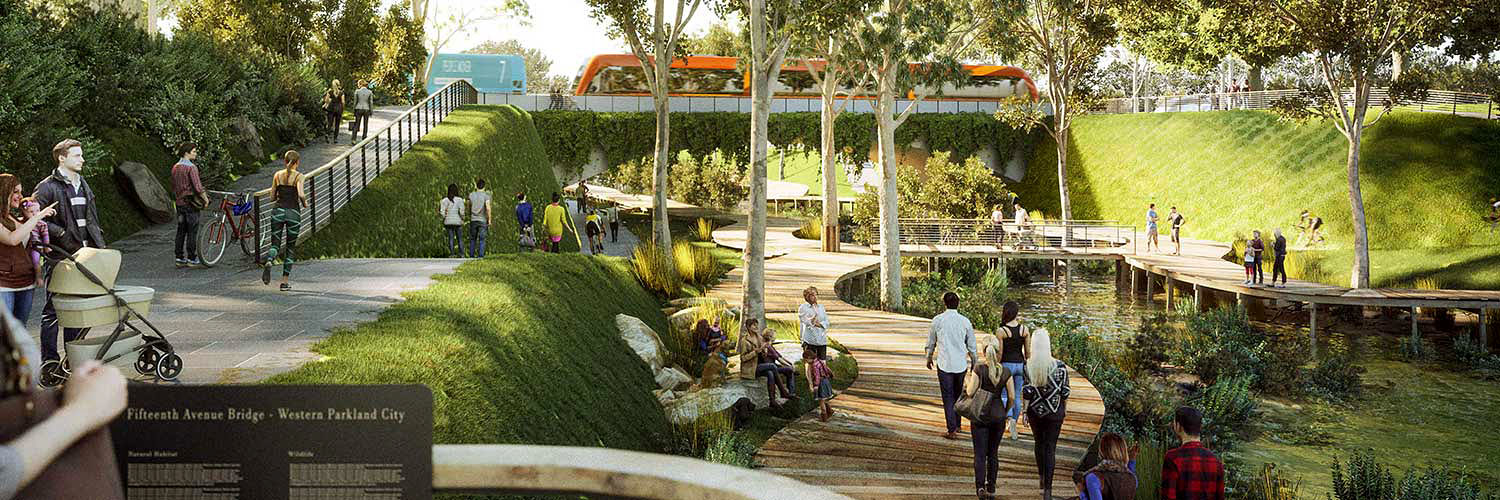
The SIC will collect up to $1.1 billion to help fund state and regional roads, cycleways and footpaths, regional open space, hospitals, primary and secondary schools, train stations and bus depots, emergency services, cultural facilities and biodiversity.
The SIC will help fund state and regional roads, primary and secondary schools, emergency services and justice, regional open space and biodiversity, health services and bus services.
The SIC has helped fund state and regional roads, cycleways and footpaths, regional open space and schools.
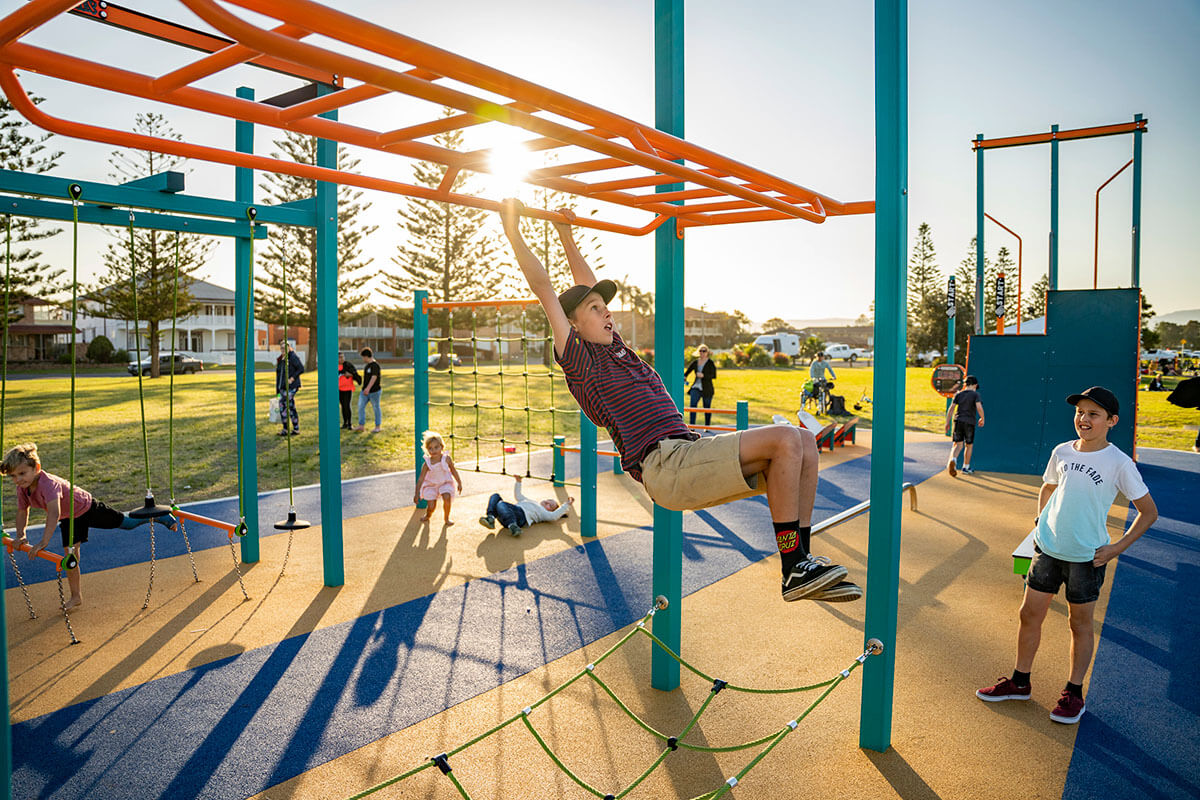
The SIC has helped to fund state and regional roads, cycleways and footpaths, regional open space, fire station and community health facilities, primary and secondary schools and biodiversity.
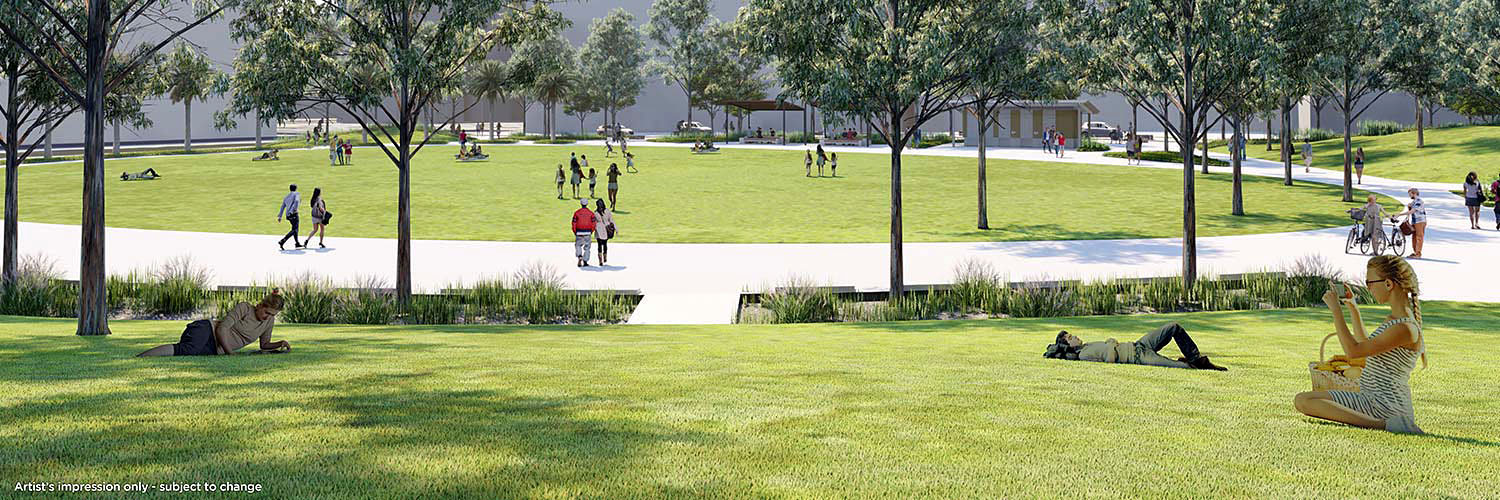
The SIC has contributed to road network upgrades, upgrades to Kibble Park, and health, education and emergency services facilities.
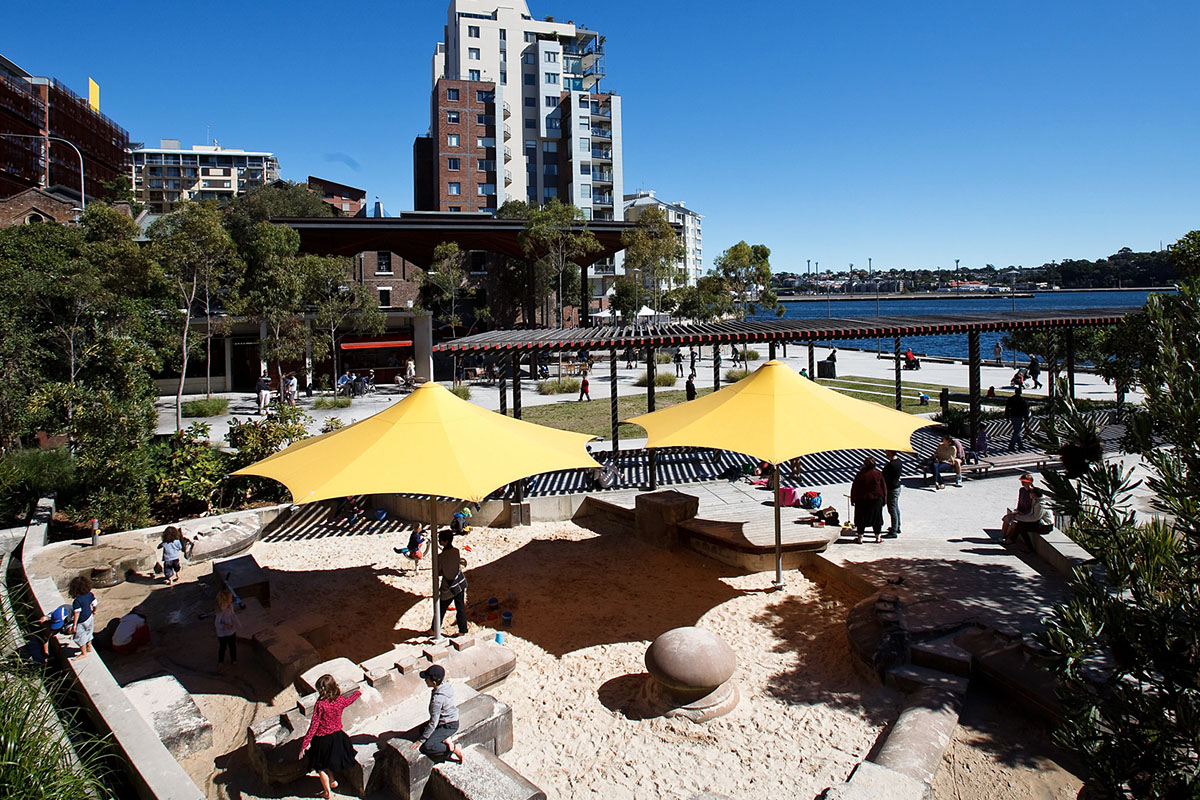
The SIC has helped to fund the Pyrmont Metro station and associated infrastructure.
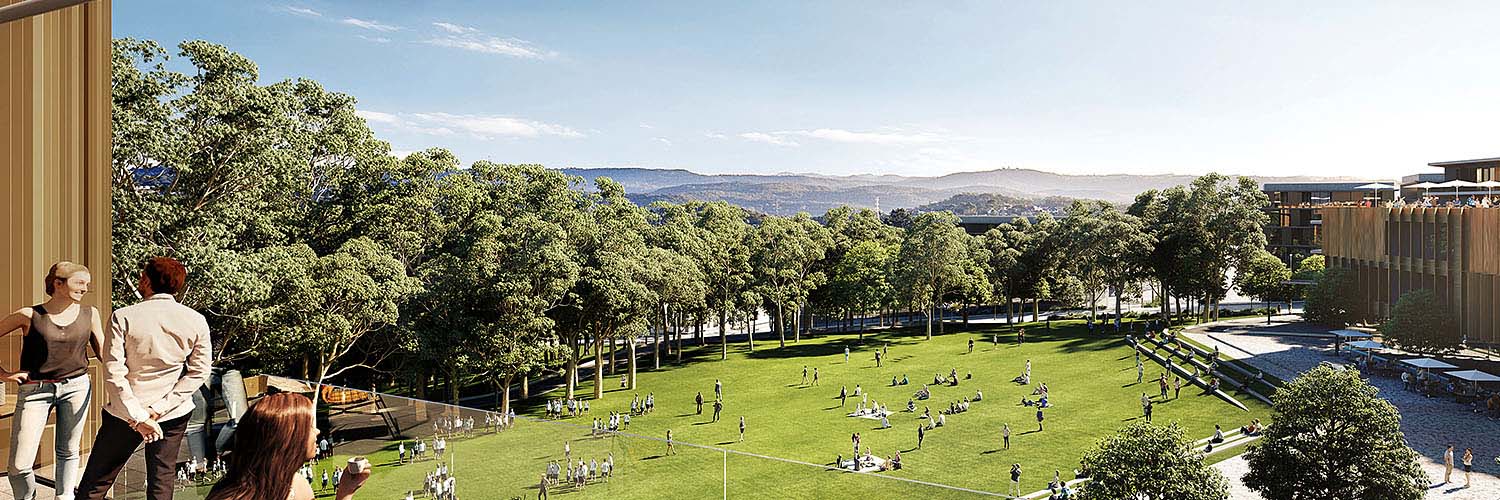
The SIC has helped to fund state and regional roads, primary and secondary schools, public transport and cycleways, footpaths and green links.
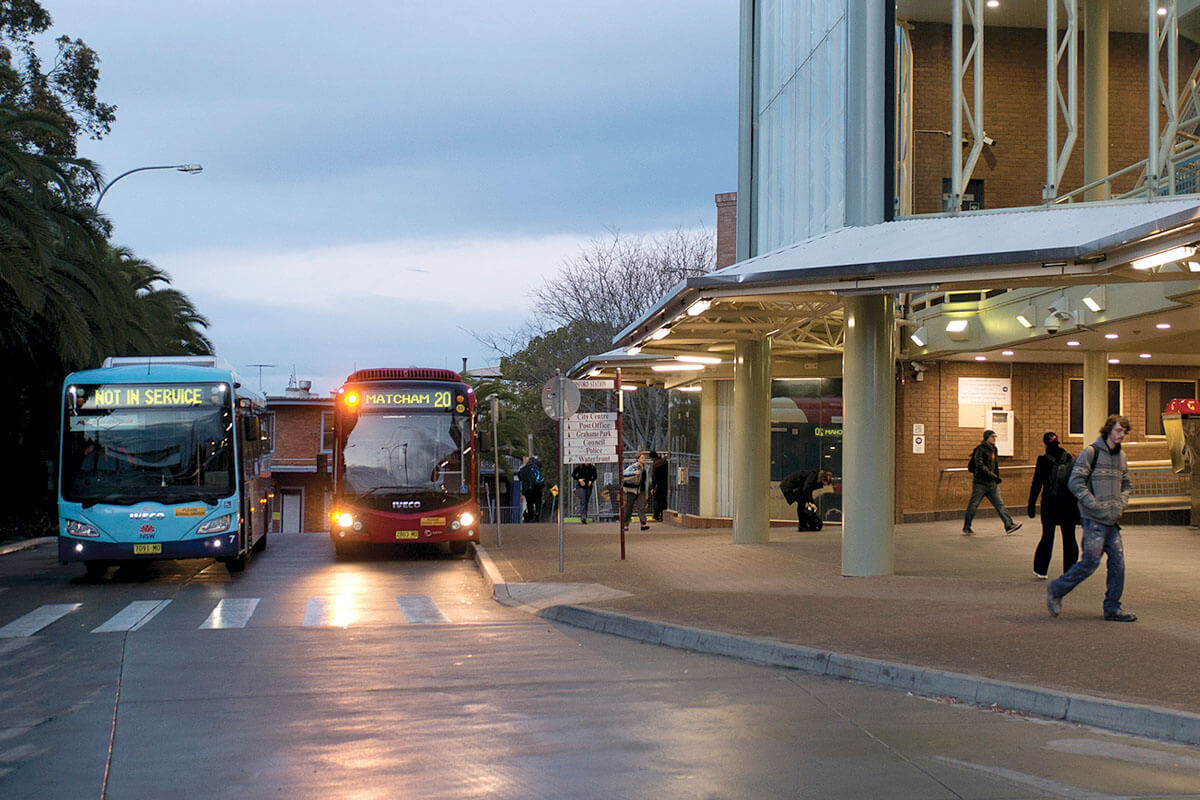
The SIC has helped to fund state and regional roads, biodiversity offsets, planning, delivery, implementation and bus services.
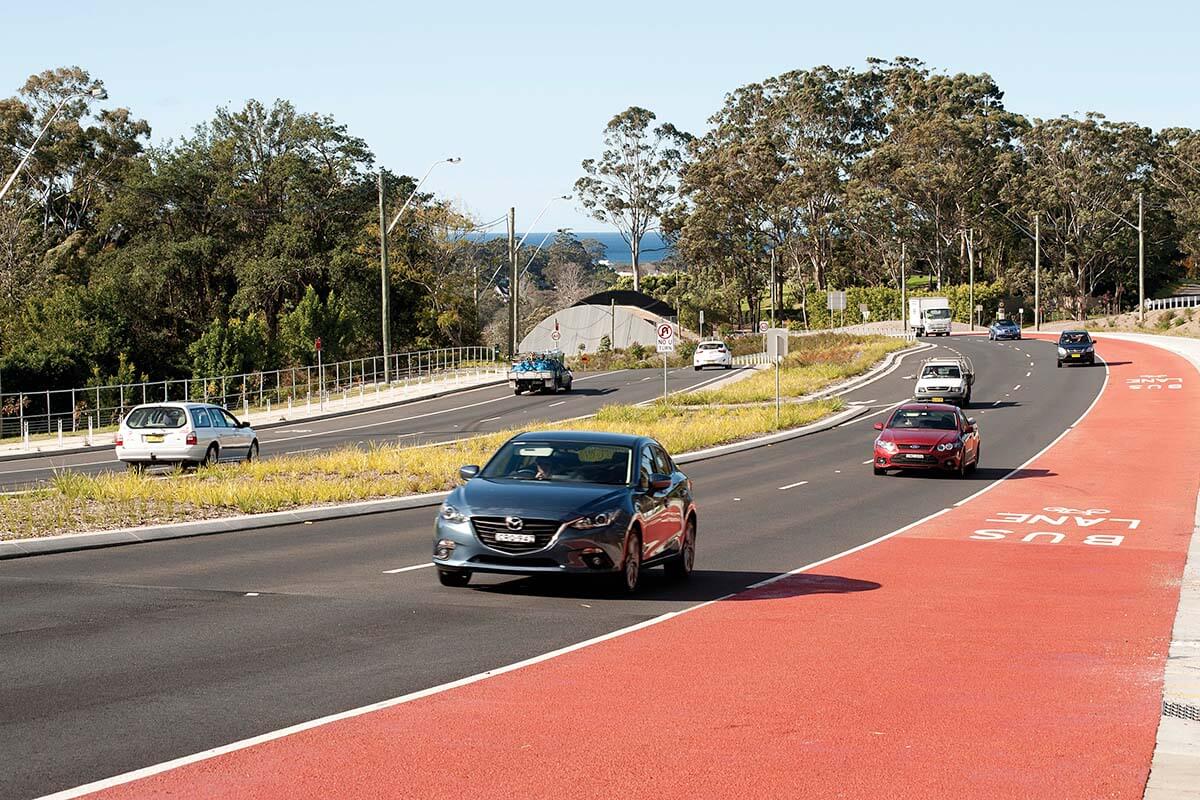
The SIC has helped to fund state and regional roads, planning, delivery, and implementation.
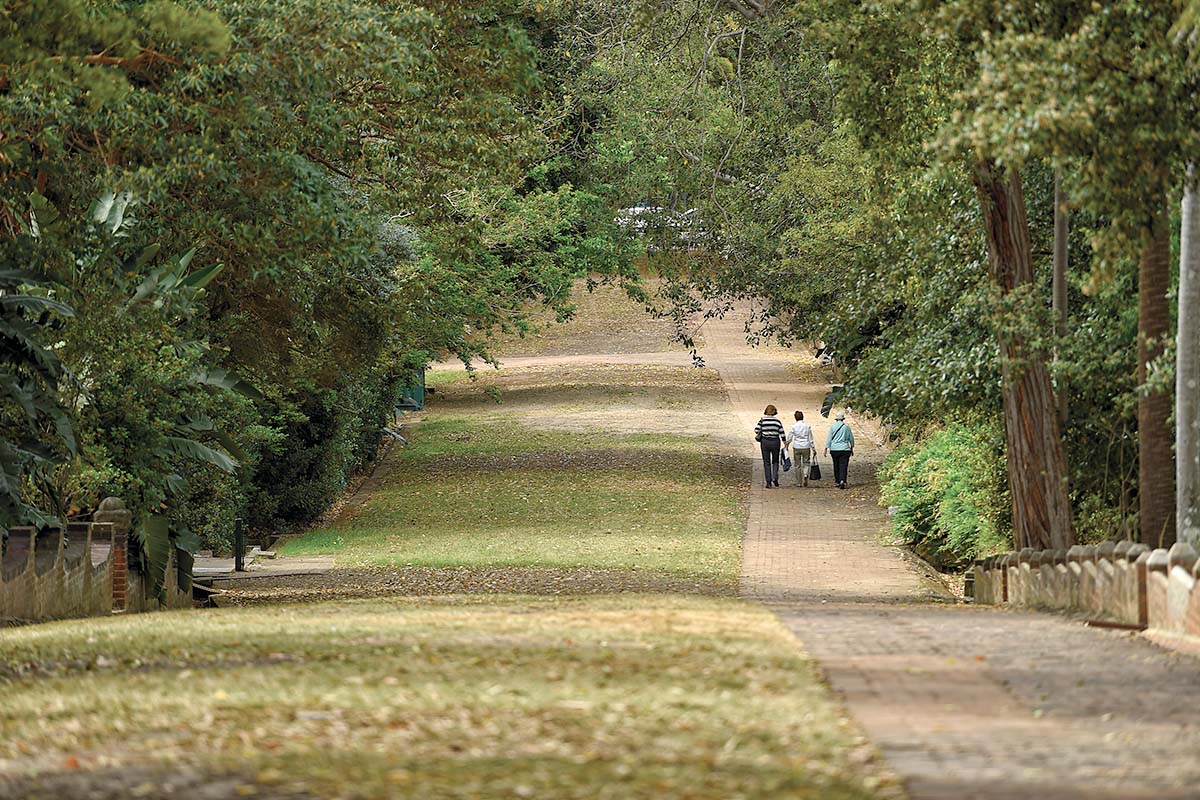
The SIC has helped to fund road crossing improvements, education, open space and pedestrian and cycle improvements.
Draft SICs
The following draft SICs have been replaced by the Housing and Productivity Contribution.
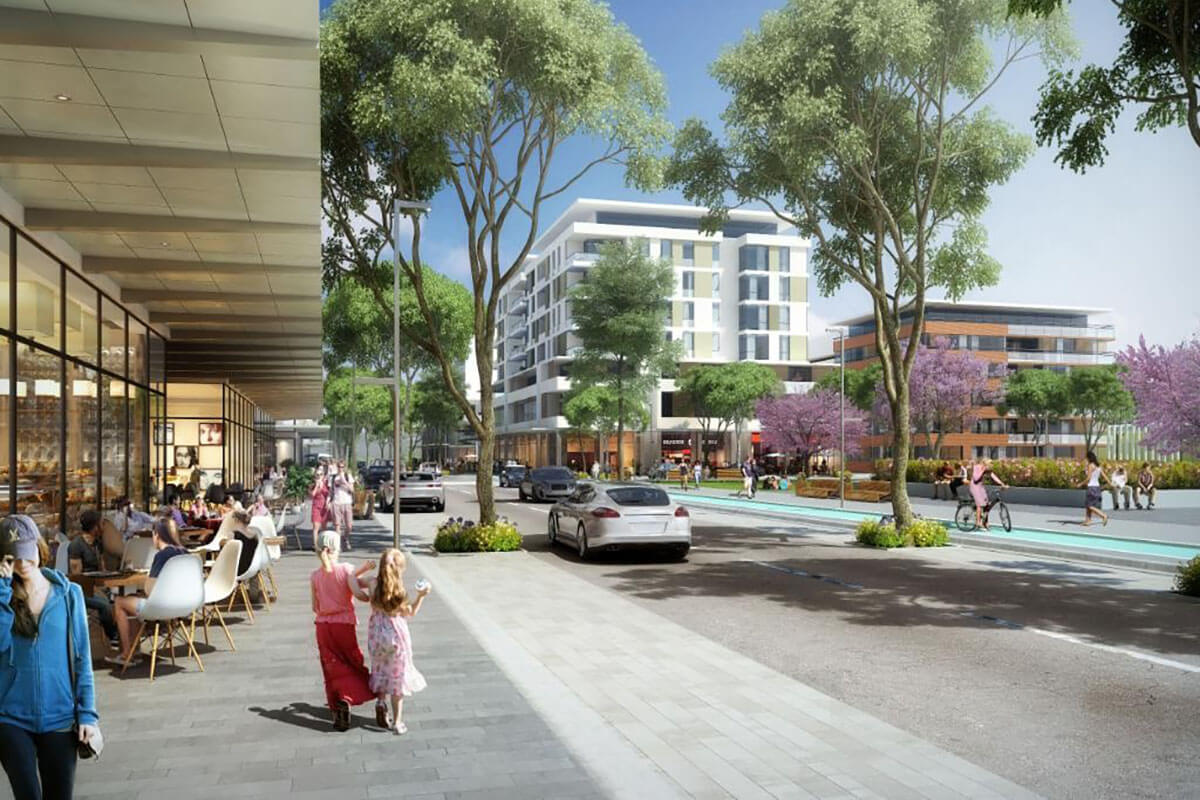
The proposed SIC was designed to help fund state and regional roads, public transport corridors, schools, community health facilities, emergency services and police stations and biodiversity conservation.
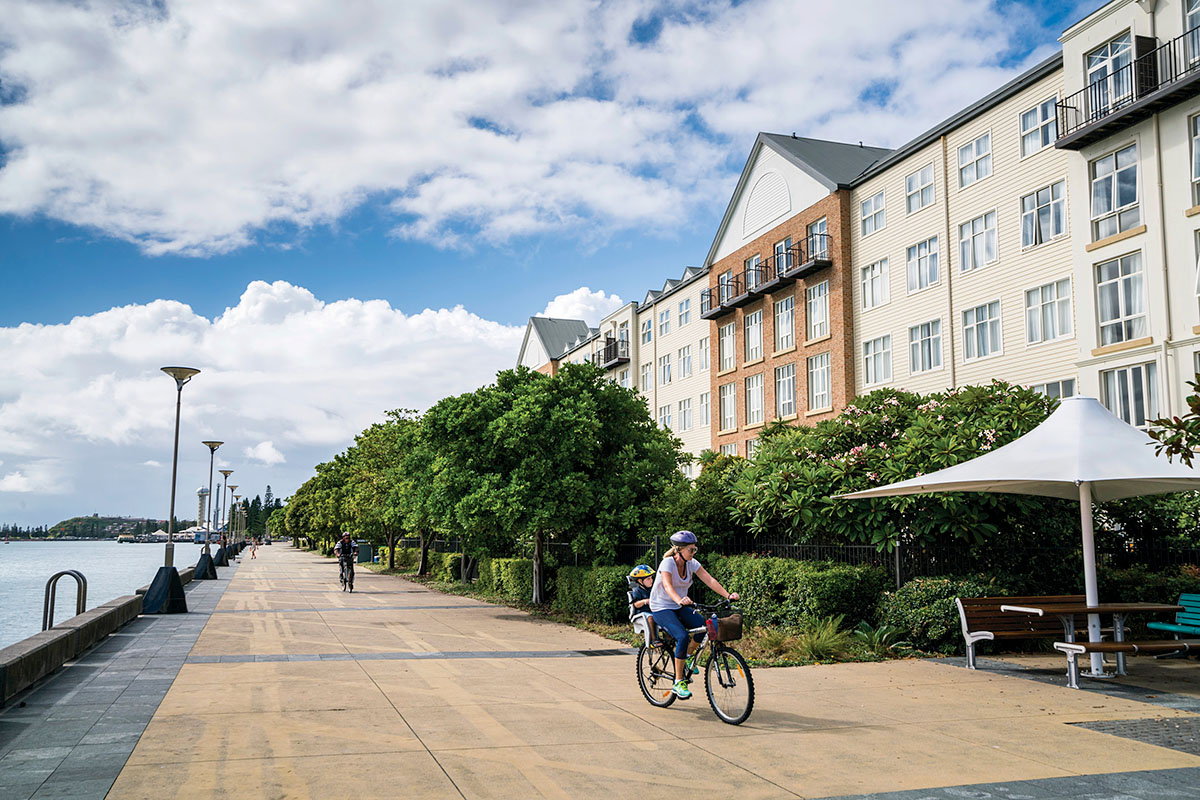
The proposed SIC was designed to fund building and upgrading roads, schools, and health and emergency service facilities.
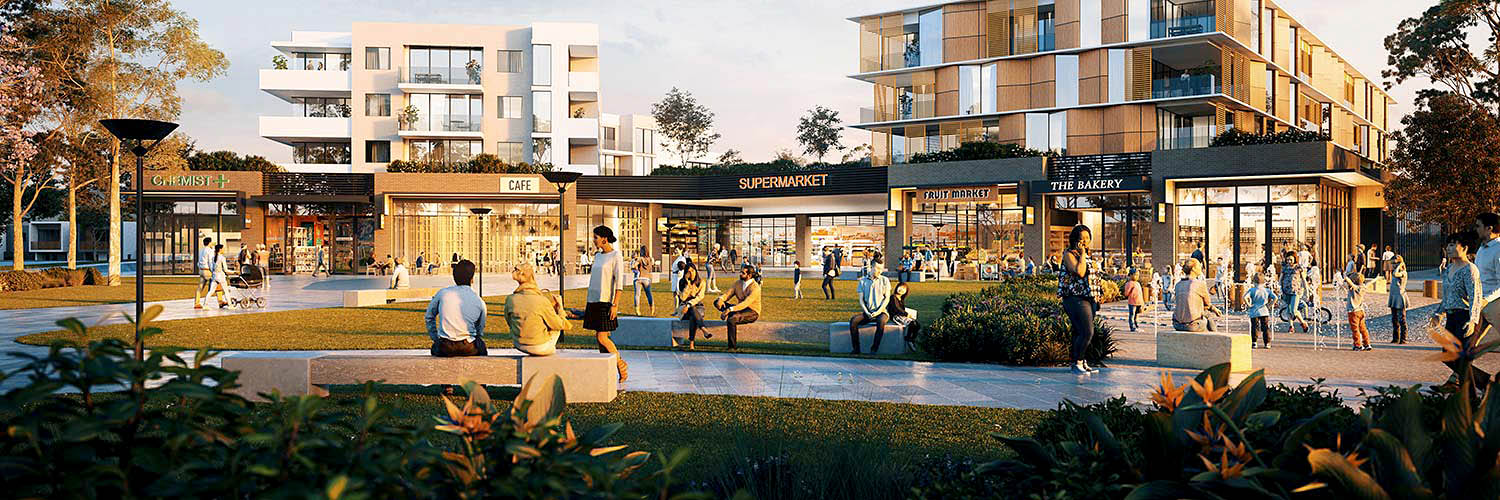
The proposed SIC was designed to help fund roads and bridges, public transport infrastructure, cycling and pedestrian infrastructure, education facilities, health facilities, emergency services and justice, regional open space and biodiversity conservation.
The proposed SIC was designed to help fund road and open space improvements to support development in the area.
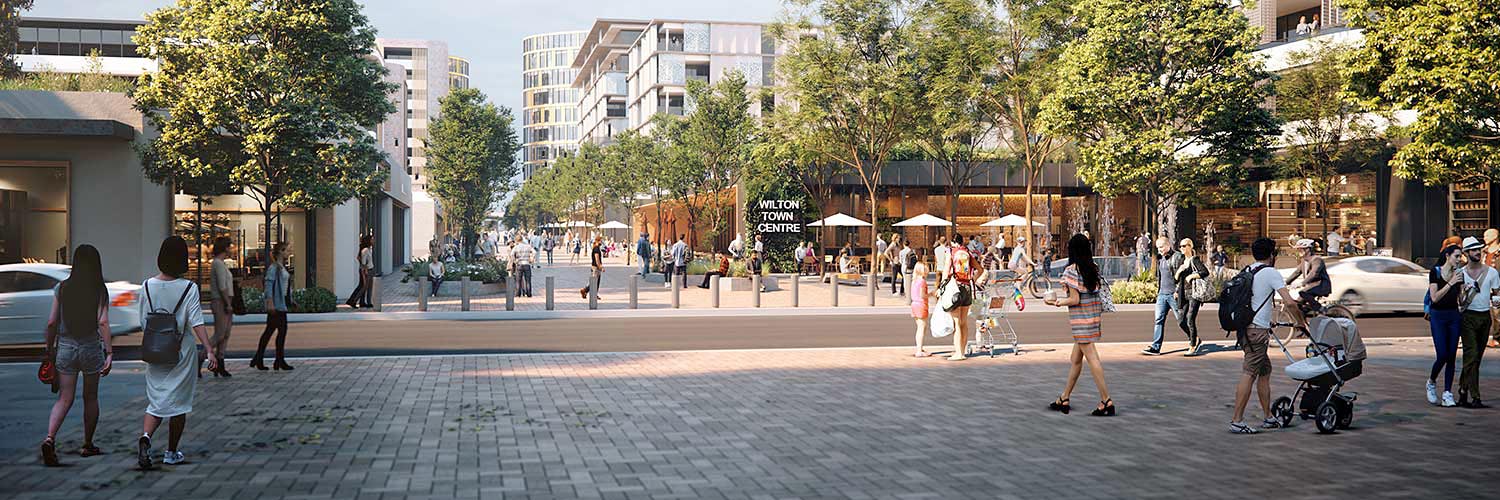
The proposed SIC was designed to help fund roads, bridges, cycleways, biodiversity, regional open space, education, bus infrastructure, health facilities and emergency services.
More information
For more information, including information on previous SICs exhibited, contact us and ask for the Infrastructure and Place team.
We pay respect to the Traditional Custodians and First Peoples of NSW, and acknowledge their continued connection to their country and culture.