

The transformation of the once-tired town centre of St Johns Avenue Precinct in Gordon into a thriving urban forest shows how targeted streetscape projects actively shape sustainable, liveable, and cooler urban environments.
Revitalising Gordon’s urban landscape
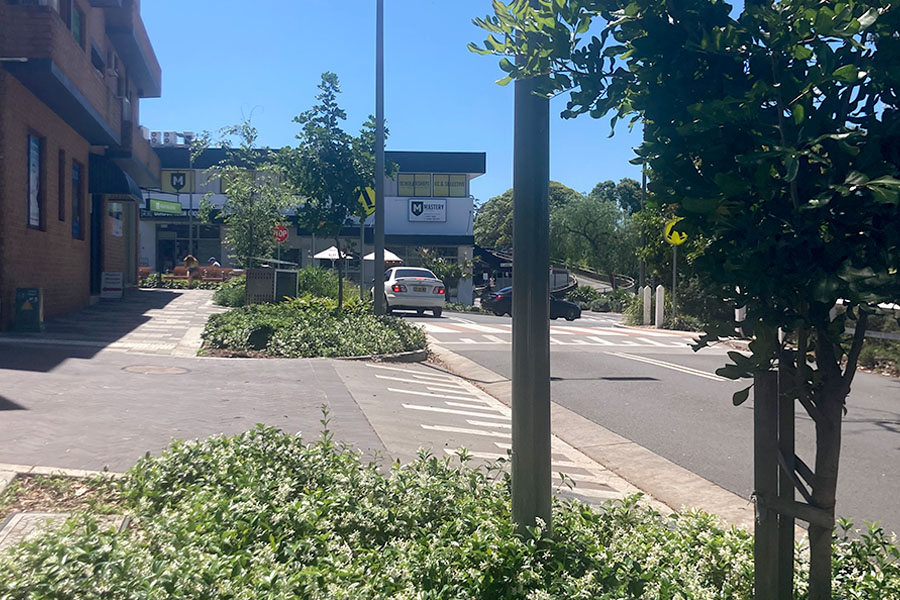
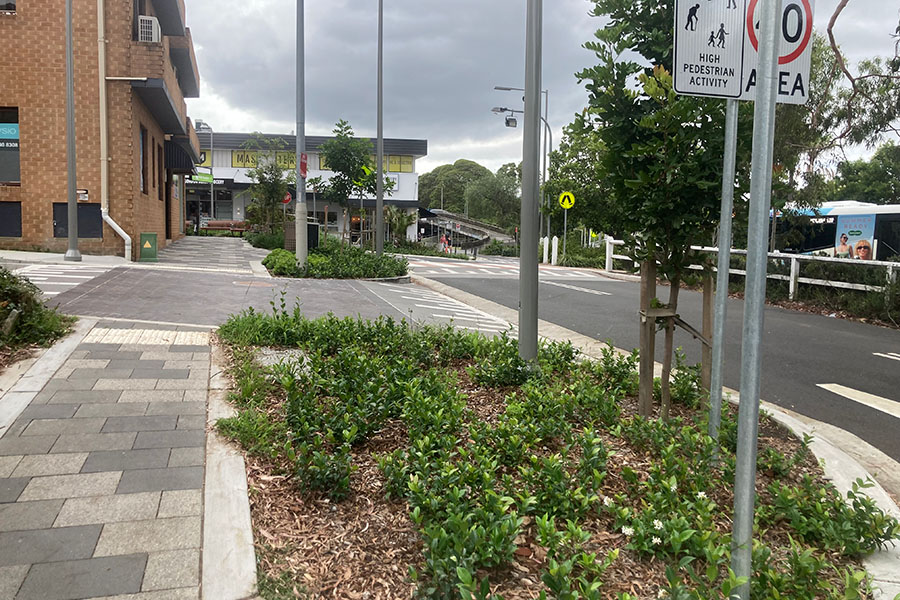
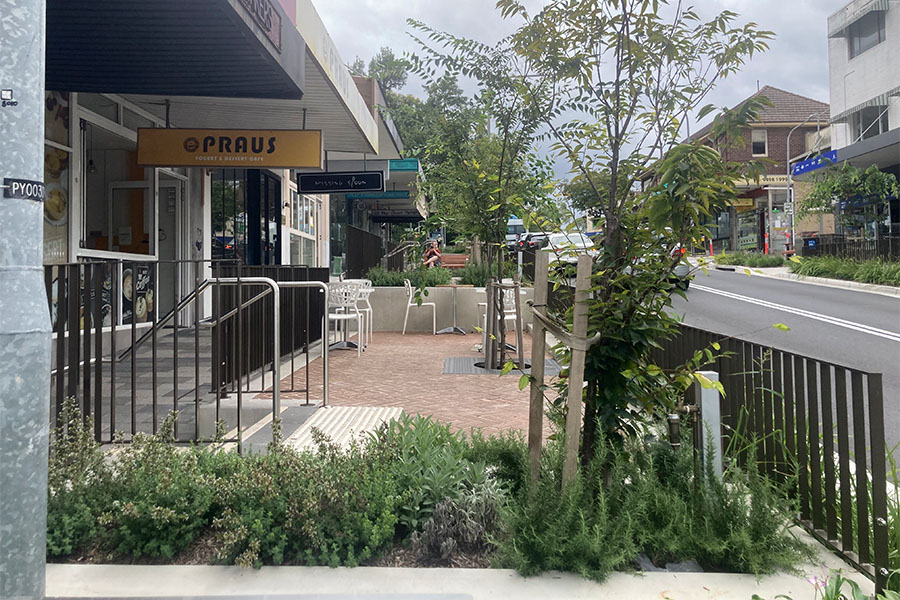
Ku-ring-gai Council created cooler, more comfortable surroundings by using evapotranspiration from new vegetation and adding shade through tree coverage. The redevelopment turned St Johns Avenue, Wade Lane, and Henry Street into welcoming outdoor spaces where residents and visitors now gather and enjoy the outdoors.
Trees were planted in tree pits and garden beds for optimal tree growth and enhanced with soil cells and passive irrigation systems.
Boosting water resilience
Stormwater management was improved by diverting runoff into the newly installed tree pits. Water now filters through these pits before flowing into the stormwater system and nearby creeks to protect water quality while promoting sustainable use.
Tackling urban heat
Urban heat was battled by selecting a diverse range of street trees, including deciduous species along St Johns Avenue. These provide shade in summer and permit sunlight in winter for pedestrian comfort and improved outdoor dining experiences. Natural shading also lowers cooling demands for nearby buildings, potentially reducing energy costs and improving air quality.
Lessons and collaboration
Community education and outreach was prioritised with informative signage installed on the Killior'ra Tree Trail and partnerships formed with the Better Business Partnership program and the Ku-ring-gai Smart Schools initiative.
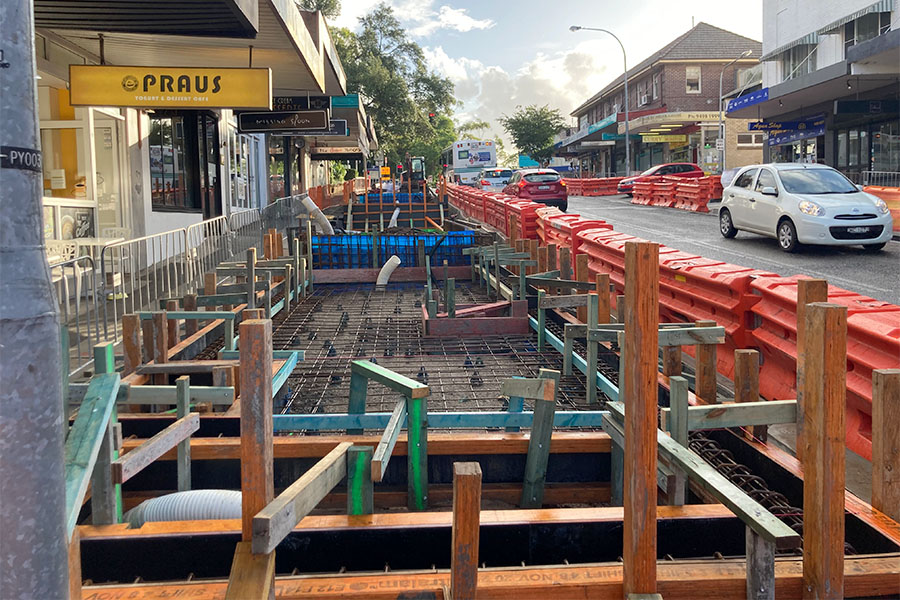
To support tree growth while preserving infrastructure, workers installed a structural soil vault system called Stratavault. This technology provided support for paved areas while allowing healthy root expansion underground.
Installing Stratavault on a steep site with existing underground services challenged the team, who solved terrain and placement issues by closely collaborating with council staff and contractors. Despite hiring an approved contractor, the team encountered installation difficulties — highlighting the need for experienced teams when implementing complex systems.