
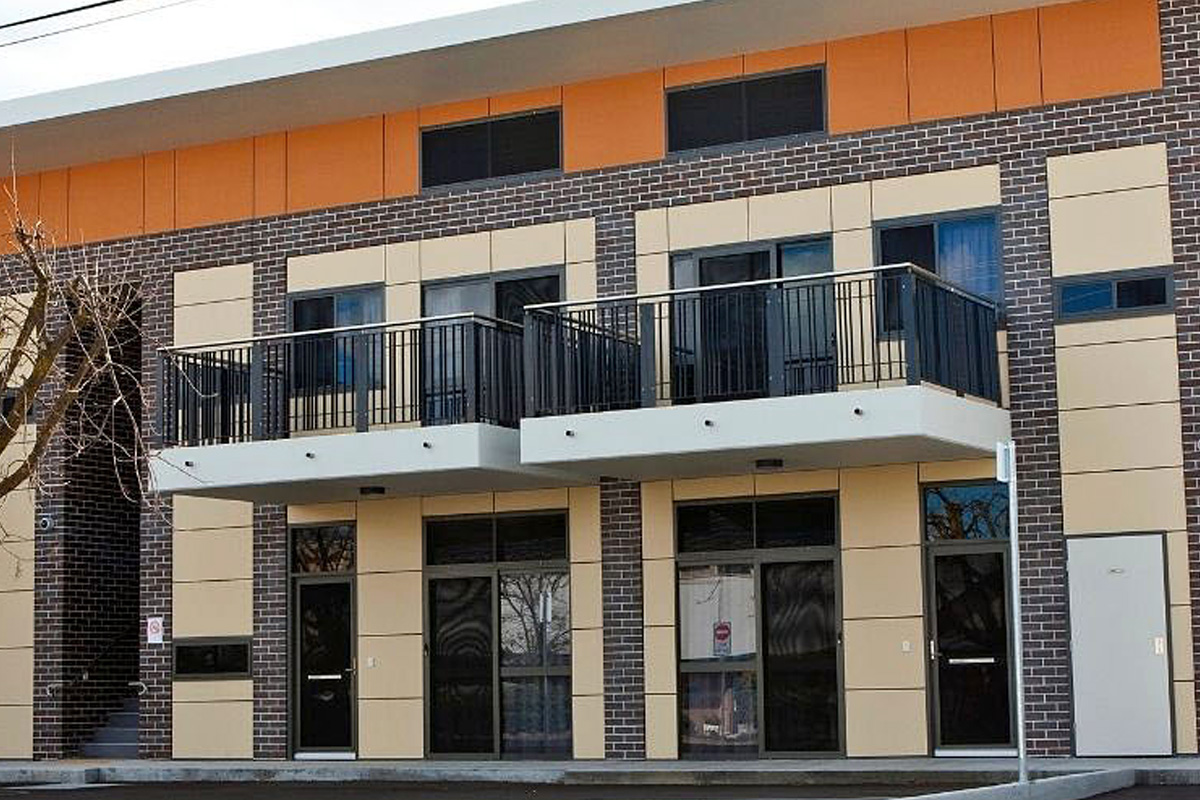
Group homes provide temporary or permanent accommodation for people with a disability or people that are socially disadvantaged.
The State Environmental Planning Policy (Housing) 2021 (Housing SEPP) aims to increase the supply of group homes by permitting this type of accommodation in a range of land use zones and including a complying development approval pathway.
Updated planning provisions
In September 2025, the NSW Government updated the planning provisions for group homes to better reflect how this housing type is delivered today.
Key updates include:
- modernised definitions for permanent and temporary group homes to reflect contemporary design models, including ‘core and cluster’, allowing for a variety of living arrangements and on-site support services
- new complying development pathways to make it easier and faster to repurpose existing residential buildings into group homes
- updated complying development standards to simplify the certification process for complying development
- an exempt development pathway for the use of existing dwellings under certain tenancy arrangements and out-of-home care agreements administered by government authorities
- new advice on the disclosure of information in publicly accessible planning documents to introduce greater discretion for people accessing domestic and family violence refuges. Read the Planning Circular PS 25-005 – Disclosure of information about domestic and family violence refuges (PDF, 185 KB) for more information.
These changes follow a comprehensive review informed by stakeholder feedback from the Housing SEPP Explanation of Intended Effect, the Housing SEPP consultation draft, and ongoing targeted stakeholder engagement.
Planning framework for group homes
The group homes provisions can be found in Chapter 3, Part 2 of the Housing SEPP.
There are 4 separate approval pathways for group homes:
-
Development without consent
This approval pathway may apply in a prescribed zone undertaken by a public authority, with up to 10 bedrooms.
-
Exempt development
The exempt development pathway can apply to:
- the use of an existing lawfully approved dwelling as a group home for a single household under a tenancy agreement with a relevant authority
- the use of an existing lawfully approved dwelling for the purposes of ‘out-of-home care’ as defined by the Children and Young Persons (Care and Protection) Act 1998, with no more than 5 bedrooms occupied by children receiving care.
-
Complying development
The complying development pathway can apply to:
- the development of a new group home with up to 10 bedrooms that complies with the standards prescribed in Schedule 2 of the Housing SEPP and specified clauses of the Codes SEPP
- the change of use of an existing lawfully approved class 1a building to a group home, with up to 10 bedrooms, where no alterations and additions are undertaken and the development complies with specified clauses of the Codes SEPP
- the change of use of an existing lawfully approved class 1a building to a group home, with up to 10 bedrooms, where alterations and additions are undertaken in compliance with the standards prescribed in Schedule 2 of the Housing SEPP and specified clauses of the Codes SEPP
- the change of use of an existing lawfully approved form of residential accommodation, other than rural workers dwellings, carried out by or on behalf of a relevant authority, where the development complies with specified clauses of the Codes SEPP and alterations and additions are carried out under the Housing Alterations Code and the Fire Safety Code in the Codes SEPP only.
-
Development application
Development applications are for all other group home development.
Disclosure of information on domestic and family violence refuges
The publication of certain information about current or proposed domestic and family violence refuges may compromise the safety and security of the vulnerable people accessing these refuges.
It is critically important that perpetrators of family and domestic violence cannot access sensitive information regarding the locations of these refuges.
An updated planning circular, Planning Circular PS 25-005 – Disclosure of information about domestic and family violence refuges (PDF, 185 KB), was issued by the Department on 3 November 2025 that provides information to consent authorities, practitioners and applicants about disclosure obligations when assessing and notifying planning applications for domestic and family violence refuges.
Frequently asked questions
The Housing SEPP permits group homes in the following zones:
- R1 General Residential
- R2 Low Density Residential
- R3 Medium Density Residential
- R4 High Density Residential
- B4 Mixed Use
- SP1 Special Activities
- SP2 Infrastructure
- any other zone where dwelling houses or multi dwelling housing are permitted under another environmental planning instrument.
If a proposal for a group home meets all the complying development requirements, an application may be determined within 20 days by a local council or accredited certifier.
The certifying authority is required to notify neighbours of an application for complying development 14 days before approval. Where a complying development certificate has been issued, the owner will need to provide neighbour notification 7 days before works begin.
The Standard Instrument Principal Local Environmental Plan 2006 has been updated to include revised definitions for both group homes (permanent) and group home (temporary). The changes remove references to ‘a dwelling’ and occupation by a ‘single household’ to clarify to providers and consent authorities that there is flexibility in the form and living arrangements that a group home may take. The changes are common to both group home definitions.
No. Existing group homes can continue to operate as they do now. The reforms provide clearer guidance for new developments and changes of use.
Many of the new complying development pathways can be accessed by all types of applicants, including community housing providers, government authorities and developers. Some new pathways have been designed specifically for government authorities and are reflective of specific housing and leasing models.