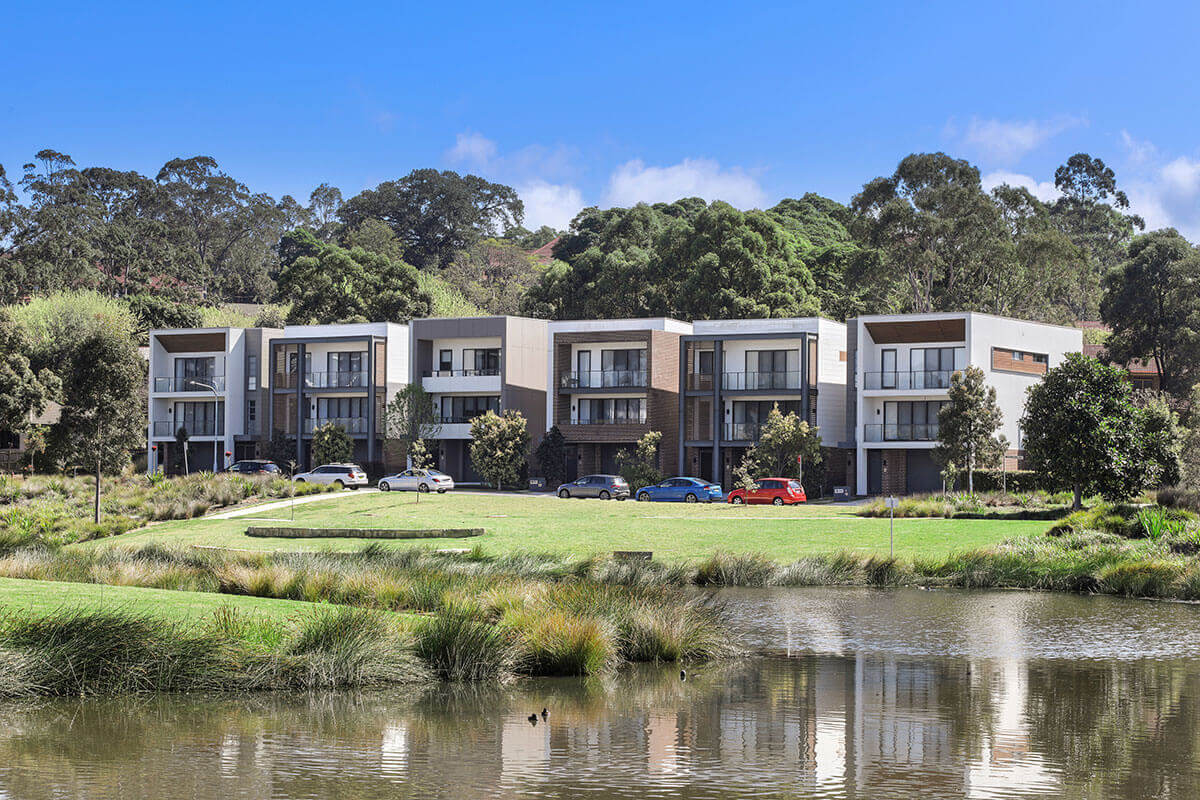
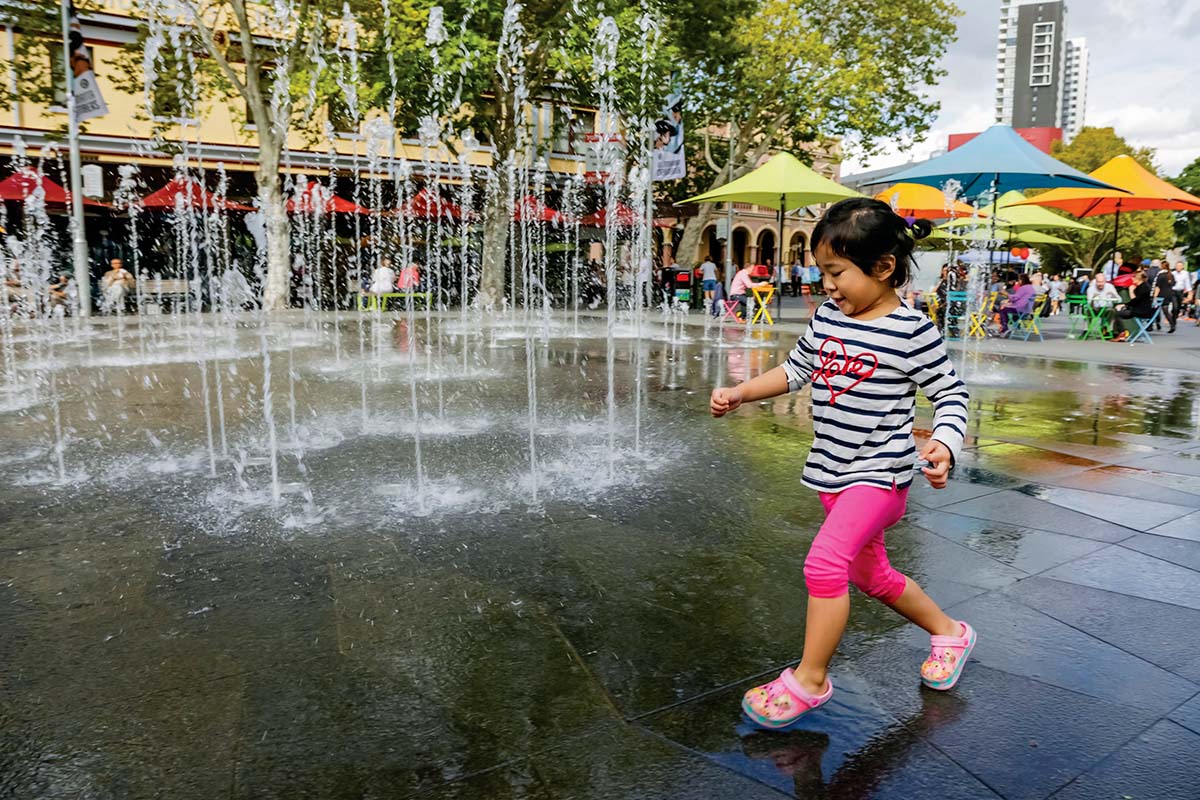
Cooler Places is an online resource to help town planners, urban designers, developers, councils and the community reduce urban heat. It provides clear guidance on how to use urban structure, greening, water and cool materials as building blocks to create cooler, more resilient places to live.

We can all take action
No matter what you are planning or building, you can take positive actions to combat urban heat and make our cities and suburbs cooler places.
Town planners, urban designers, councils and developers can create cooler places by optimising the layout of streets and buildings and integrating existing natural assets, such as waterways and bushland into the design of urban areas. If you’re designing a precinct or large-scale development you could start your cooler places journey at Cool with urban structure.
Anyone building or renovating a home or business premises can use landscaping, orientation and cooling materials and colours to make comfortable environments to live in. If you’re building or renovating you could start your Cooler Places journey at Cool materials.
Shaping the future of climate and natural hazard planning
The NSW Government is proposing a new Climate Change and Natural Hazards State Environmental Planning Policy (SEPP) to help create more resilient communities that can prepare for current and future climate risks and natural hazards (focused on urban heat, bushfire, coastal hazards, and flooding) and rebuild stronger after natural disasters.
The proposed policy introduces a clear, consistent framework for assessing climate change and natural hazard planning controls together in one place.
The policy will support the new object in the Environmental Planning and Assessment Act 1979 to better respond to these risks and make decisions that reflect the level of risk involved.
It will:
- introduce new guidelines for managing natural hazards and update existing natural hazards controls to streamline decision making
- focus on climate risks, rebuilding after natural disasters, coastal hazards, flooding, bushfires and urban heat
- establish a consistent approach for assessing climate risk and natural hazards throughout development assessment
- provide an all hazards approach to planning to ensure communities and developments are resilient to both current and future risks
- help consent authorities, such as local councils, assess climate and natural hazard risks for different development types and guide decisions based on acceptable risk levels.

Start building cooler places now
Urban structure, greening, water and cool materials are the key building blocks of effective, climate-resilient, place-based planning and design. When considered early and used together, these approaches can be applied to respond to local climate conditions and community needs and maximise cooling benefits.
Cooler Places provides a starting point for you to find out how these approaches can be used to mitigate urban heat. We also give key examples of where this has already been achieved. To read about how Landcom has implemented cooling strategies into their developments, visit the Case Study on Using planning strategies and controls for cooling.
How the layout and orientation of our streets and buildings can create cooler places.
How urban greening can create cooler places.
How water in the landscape can create cooler places.
How light, reflective materials can create cooler places.