State Environmental Planning Policy (Resilience and Hazards) 2021 – also known as the Resilience and Hazards SEPP – officially began on 1 March 2022. It provides a coordinated approach to assessing development in NSW.
Chapter 2 of the Resilience and Hazards SEPP maps each coastal management area for the purposes of both the Coastal Management Act 2016 and the Environmental Planning and Assessment Act 1979.
The Resilience and Hazards SEPP also covers how development proposals are assessed if they are in the coastal zone, and each of the coastal management areas.
You can view the Resilience and Hazards SEPP maps alongside other relevant local and state planning controls in the NSW Planning Portal Spatial Viewer.
Shape the future of climate and natural hazard planning
The NSW Government is proposing a new Climate Change and Natural Hazards State Environmental Planning Policy (SEPP) to help create more resilient communities that can prepare for current and future climate risks and natural hazards (focused on urban heat, bushfire, coastal hazards, and flooding) and rebuild stronger after natural disasters.
The proposed policy introduces a clear, consistent framework for assessing climate change and natural hazard planning controls together in one place.
The policy will support the new object in the Environmental Planning and Assessment Act 1979 to better respond to these risks and make decisions that reflect the level of risk involved.
It will:
- introduce new guidelines for managing natural hazards and update existing natural hazards controls to streamline decision making
- focus on climate risks, rebuilding after natural disasters, coastal hazards, flooding, bushfires and urban heat
- establish a consistent approach for assessing climate risk and natural hazards throughout development assessment
- provide an all hazards approach to planning to ensure communities and developments are resilient to both current and future risks
- help consent authorities, such as local councils, assess climate and natural hazard risks for different development types and guide decisions based on acceptable risk levels.

Local planning direction
A local planning direction (direction 4.2) (PDF, 520 KB) for coastal management supports councils when developing and assessing planning proposals within the coastal zone. This direction ensures that these strategic planning activities are consistent with the objectives of the Act and SEPP provisions for coastal management to:
- reduce threats from inappropriate land use in important coastal and marine environments
- help avoid and minimise the exposure of communities to current and future coastal hazards.
Planning proposals within the coastal zone also need to be consistent with Coastal Management Programs (or Coastal Zone Management Plans that continue to have effect) for that area, the Coastal Design Guidelines 2023 and any local environmental plan, development control plan, study or assessment that identifies land affected by a current or future coastal hazard.
This strategic approach will reduce the degree to which future land uses threaten important coastal and marine environmental assets, expose communities to coastal hazards or create other legacy issues that burden future generations.
Coastal zone mapping
The Coastal Management Act 2016 specifies that the NSW coastal zone is made up of 4 coastal management areas.
- coastal wetlands and littoral rainforests area – areas that display the characteristics of coastal wetlands or littoral rainforests.
- coastal vulnerability area – areas subject to coastal hazards such as beach erosion and tidal inundation.
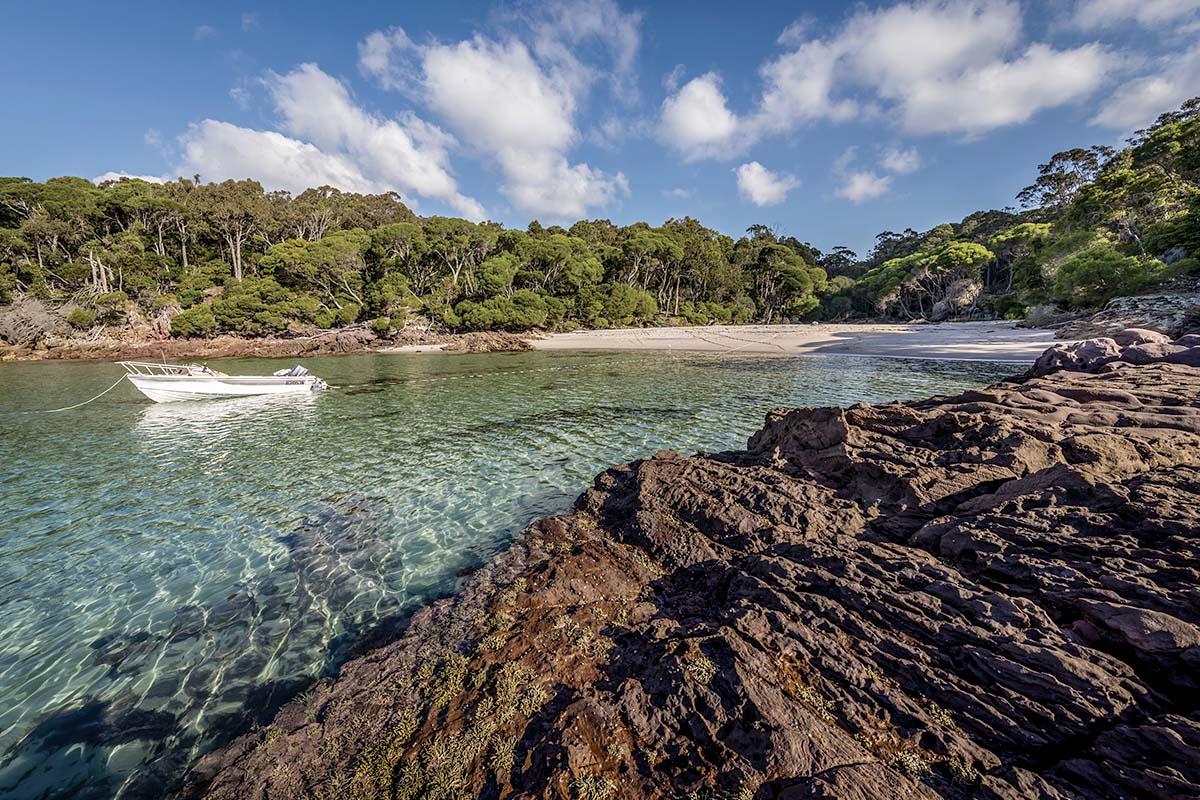
- coastal environment area – areas with natural coastal features such as beaches, rock platforms, coastal lakes and lagoons, and undeveloped headlands. Marine and estuarine waters are also included.
- coastal use area – land next to coastal waters, estuaries and coastal lakes and lagoons, and where urban coastal development may be found.
The Coastal Management Act 2016 also specifies management objectives for each area that reflect their different values and threats, and which may overlap.
Resources
- Coastal Management SEPP – Fact sheet 1: Overview (PDF, 85 KB)
- Coastal Management SEPP – Fact sheet 2: Coastal management areas (PDF, 102 KB)
- Coastal Management SEPP – Fact sheet 3: Coastal protection works (PDF, 89 KB)
- Coastal Management SEPP – Fact sheet 4: Mapping of Coastal Management Areas (Technical) (PDF, 1.2 MB)
- Coastal Management SEPP – Fact sheet 5: Mapping the coastal vulnerability area (PDF, 251 KB)
- Local Planning Directions (PDF, 520 KB)
- PS 21-009: Planning for coastal hazards (PDF, 153 KB)
- PS 21-033: Planning certificates: coastal hazards (PDF, 139 KB)
More information
If you have any questions about the Resilience and Hazards SEPP (Chapter 2 – Coastal management) and planning and development assessment in the coastal zone, email [email protected]