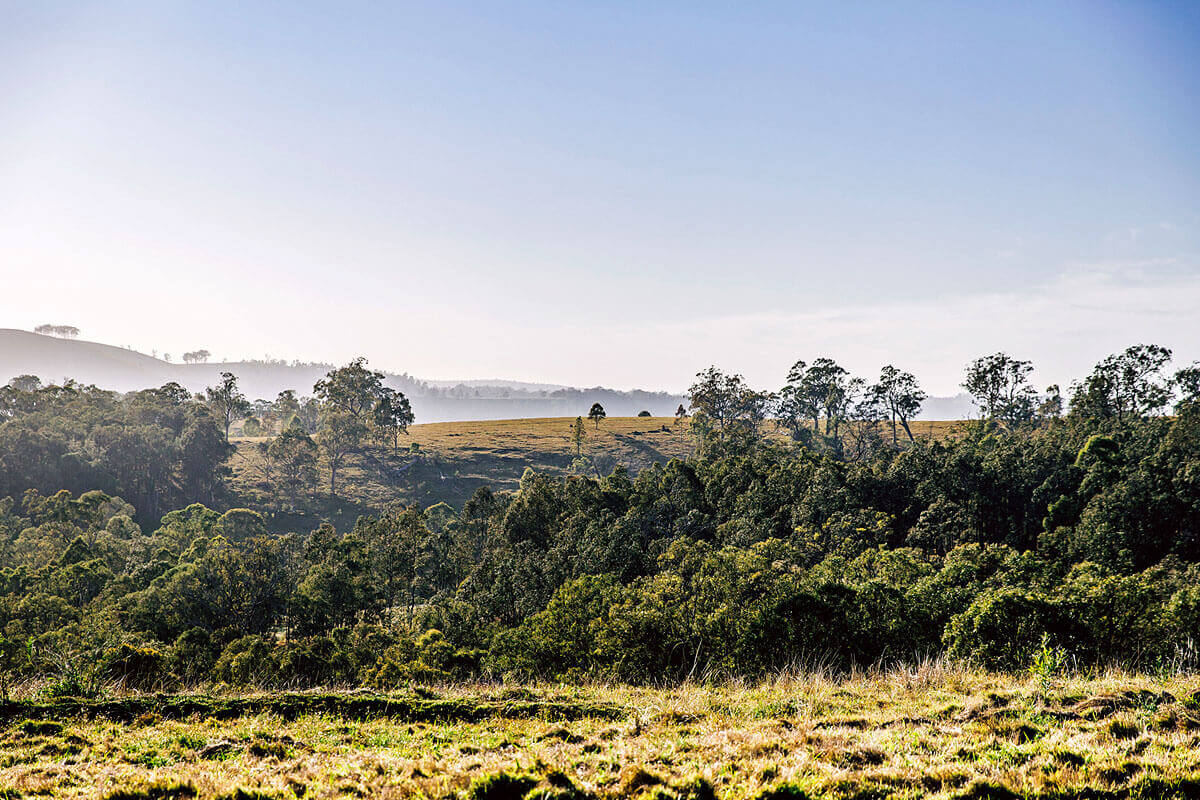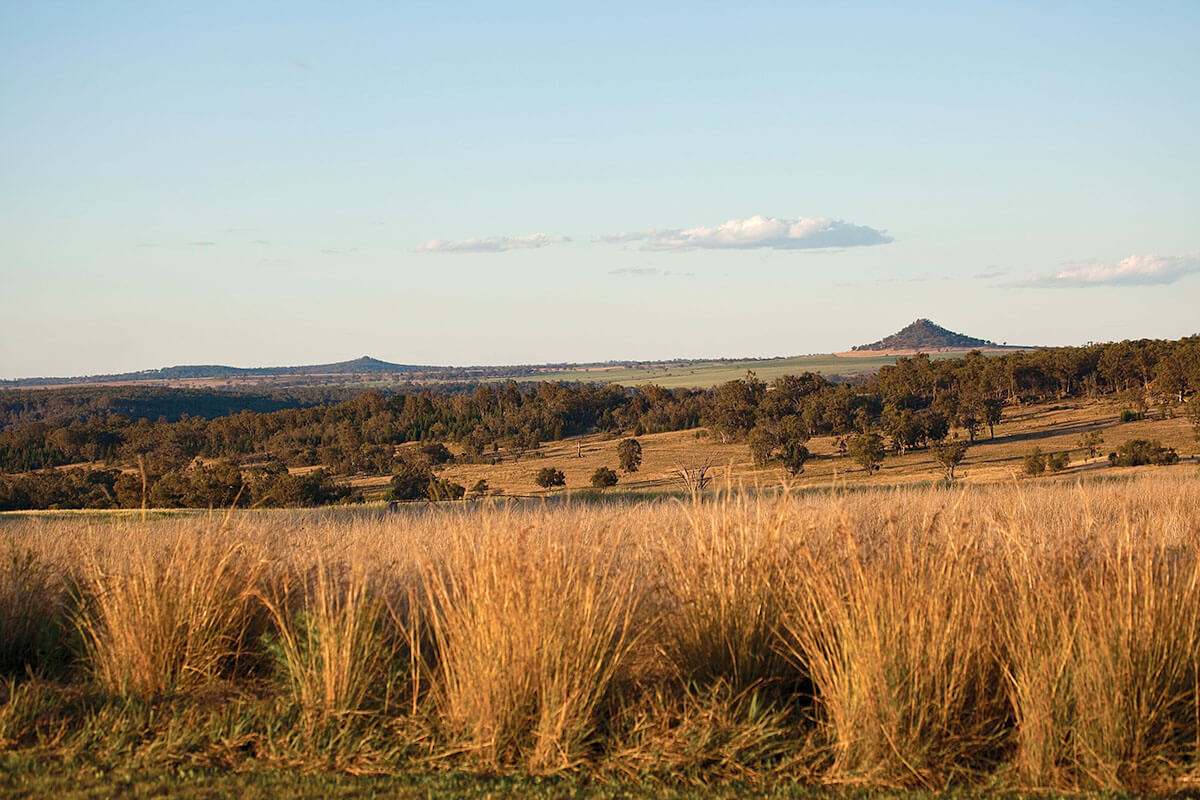
The NSW Government is committed to helping protect the population from bushfire.

In line with this, trees and vegetation that act as fuel for bushfires are permitted to be cleared around homes, tourist accommodation, schools, hospitals and child care centres located in identified bushfire prone areas, without the need to get approval.

Locations that can be cleared are defined in the Rural Fires Act 1997 as ‘10/50 vegetation clearing entitlement areas’. The NSW Rural Fire Service identifies these areas.

A code of practice applies to the scheme, which allows clearing of:

  • trees and vegetation within 10 m of specified bushfire-prone buildings
  • undergrowth within 50 m of specified bushfire-prone buildings.
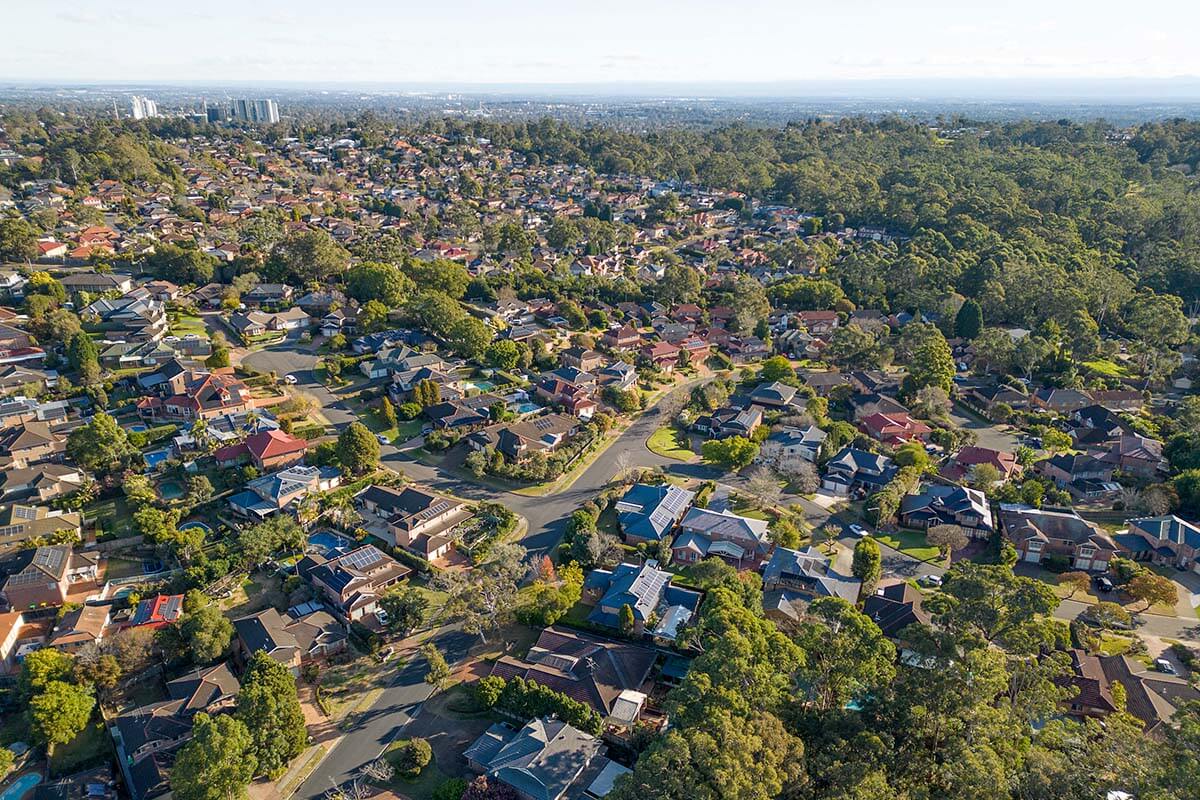
Shape the future of climate and natural hazard planning

The NSW Government is proposing a new Climate Change and Natural Hazards State Environmental Planning Policy (SEPP) to help create more resilient communities that can prepare for current and future climate risks and natural hazards (focused on urban heat, bushfire, coastal hazards, and flooding) and rebuild stronger after natural disasters.

The proposed policy introduces a clear, consistent framework for assessing climate change and natural hazard planning controls together in one place.

The policy will support the new object in the Environmental Planning and Assessment Act 1979 to better respond to these risks and make decisions that reflect the level of risk involved.

It will:

  • introduce new guidelines for managing natural hazards and update existing natural hazards controls to streamline decision making
  • focus on climate risks, rebuilding after natural disasters, coastal hazards, flooding, bushfires and urban heat
  • establish a consistent approach for assessing climate risk and natural hazards throughout development assessment
  • provide an all hazards approach to planning to ensure communities and developments are resilient to both current and future risks
  • help consent authorities, such as local councils, assess climate and natural hazard risks for different development types and guide decisions based on acceptable risk levels.
nswg_pictogram_line_thermometer_2_blue01.svg

Have your say

As part of the exhibition, we are seeking feedback on the draft Climate Change Scenario Guidelines and the draft Urban Heat Policy Statement.

The proposed policy is being exhibited for community feedback through the Climate Change and Natural Hazards - Explanation of Intended Effect (PDF, 622 KB) until 5:00 pm on Monday 16 March 2026.

Your feedback will help us understand how to better manage climate risks and natural hazards based on the type, size, and location of proposed development.

Have your say