
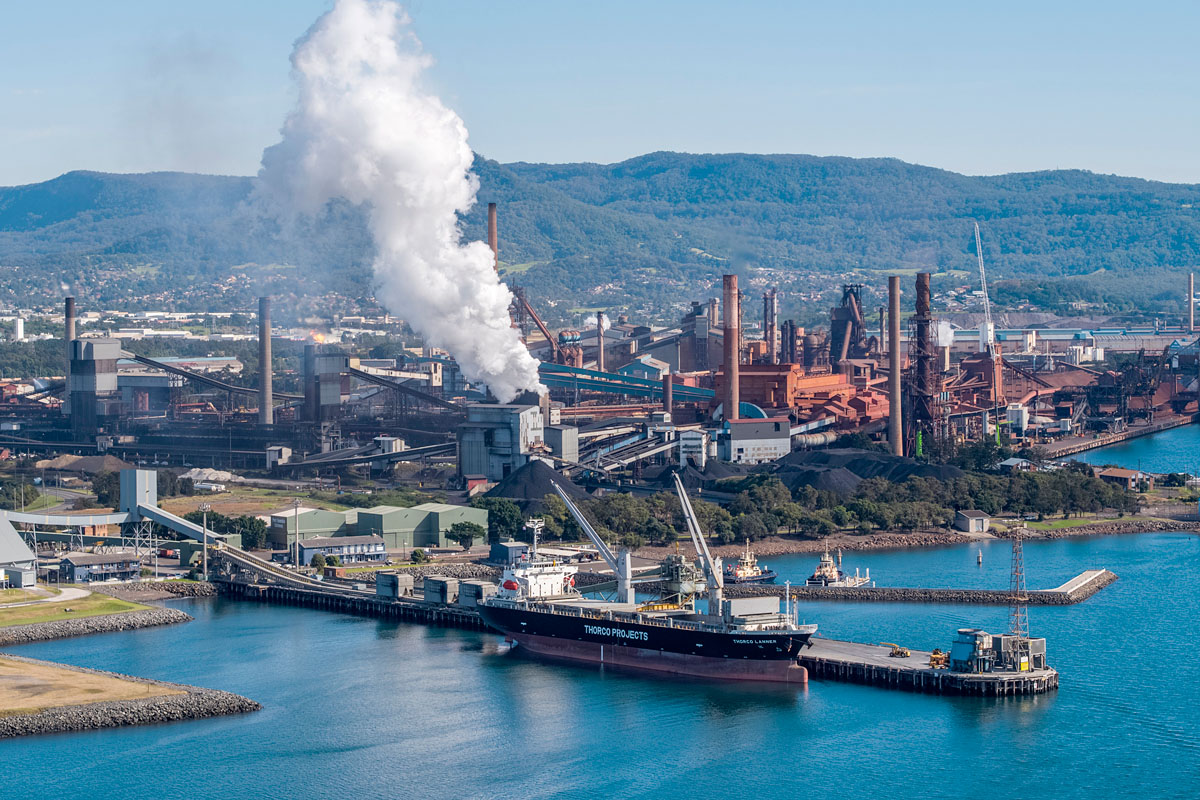
Employment lands including industrial lands, are areas zoned within NSW for business, commercial, industrial, productivity and other employment-related purposes.
These lands play an essential role in the economy. They provide jobs, generate investment, boost productivity, and facilitate trade.
Employment lands also help address housing supply and cost-of-living pressures by enabling the efficient manufacture and movement of goods, including building supplies and materials needed for new homes.
Industrial Lands Action Plan
The Industrial Lands Action Plan (PDF, 978 KB) outlines a new approach to secure, manage and monitor the supply of industrial lands across NSW.
The plan aims to provide greater consistency and certainty for industrial land planning.
The plan outlines 4 initiatives to be progressed over the next 12–24 months:
-
Deliver
Deliver a statewide categorisation policy for industrial lands to replace the existing Retain, Review and Plan and Manage policies.
The Statewide Policy for Industrial Lands has now been finalised and is being implemented through the region plans.
-
Increase flexibility
Make planning and policy interventions to increase flexibility on land zoned for industrial purposes.
-
Statewide pipeline
Finalise and release a statewide pipeline for supply of industrial lands.
A supply pipeline target is being delivered for each planning region across the state. The Sydney Plan and draft Illawarra Shoalhaven Plan are the first region plans to include the supply pipeline.
-
Employment Land Development Program
Implement an Employment Land Development Program to coordinate infrastructure investment for the supply of industrial land.
We have introduced Employment Land Investigation Areas to identify land that could become development-ready with active management. Employment Land Investigation Areas will be identified within region plans and are identified in the Sydney Plan and draft Illawarra Shoalhaven Plan.
The Department will continue to work with industry, agencies and councils to implement and deliver on the priorities within the action plan.
Statewide Policy for Industrial Lands
The Statewide Policy for Industrial Lands provides a more equitable and coordinated approach to planning, managing and protecting industrial lands across NSW.
The policy:
- establishes a consistent, evidence-based framework for planning and protecting industrial lands across NSW
- introduces a framework for industrial lands to be categorised as state, regionally and locally significant industrial lands based on their spatial contribution to economic activity and their significance in a network of industrial lands
- supports better planning for new and intensified industrial areas.
The policy is a technical appendix of the State Land Use Plan and will be applied to regions through strategic planning. This is demonstrated in the Sydney Plan and the draft Illawarra Shoalhaven Plan.
View the final Statewide Policy for Industrial Lands
The Statewide Policy for Industrial Lands (PDF, 11.5 MB) supports a coordinated and equitable approach to planning and protecting industrial land across NSW.
Consultation and feedback
The draft Statewide Policy for Industrial Lands was exhibited from 10 December 2025 to 27 February 2026. Visit the NSW Planning Portal to view the exhibited documents and the submissions we received in response to the draft policy.
Read the public exhibition outcomes report (PDF, 820 KB) to learn more about the feedback and how it informed the policy.
Employment Land Development Program
The Department has established the Employment Land Development Program to help improve the supply of industrial lands across NSW.
The program aims to:
- support a pipeline of zoned industrial land across NSW
- provide certainty for industry
- support access to jobs closer to home, particularly in Western Sydney and regional NSW
- advise the Government on infrastructure and servicing investment to unlock zoned industrial land to secure the pipeline.
The Employment Land Development Program builds on and supports the existing Employment Lands Development Monitor.

Frequently asked questions
Employment land is land that is predominantly used or intended to be used for employment and economic growth. It includes both industrial and commercial land.
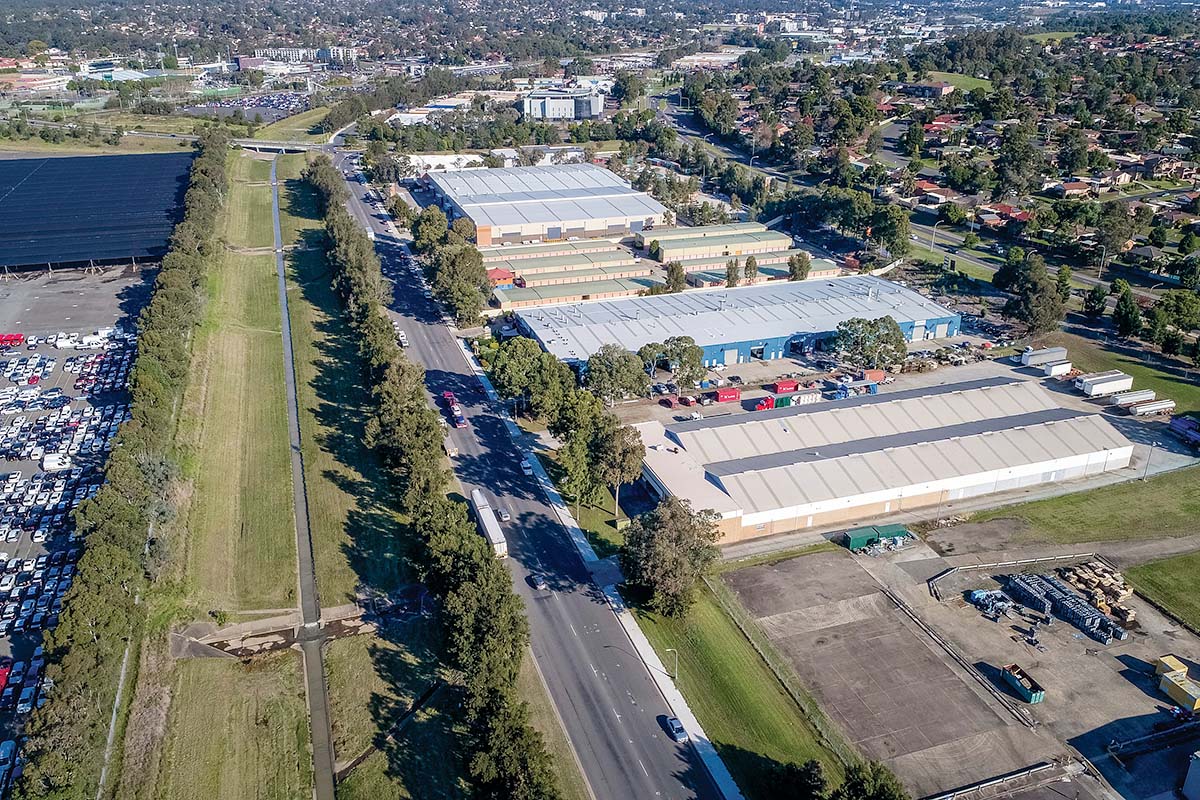
Industrial land is land predominantly used for industrial and productivity land uses and contains a mix of businesses involved in manufacturing; transport and warehousing; service and repair trades and industries; integrated enterprises with a mix of administration, production, warehousing, research and development; and local services and utilities.
NSW is experiencing a supply shortage of development ready industrial land. The Department seeks to apply a consistent and coordinated approach to actively plan, manage and monitor industrial lands across NSW. The Industrial Lands Action Plan is the roadmap outlining the initiatives we will progress over the next year. This plan provides transparency and certainty to agencies, councils and industry about the steps the Department will undertake to address the many issues facing industrial lands supply over many years.
Industrial lands are essential to support the delivery of additional housing across the state. A sufficient supply of industrial lands within our cities and regions ensures that the manufacturing of goods and materials are accessible. An efficient and well-functioning freight and logistics sector places downward pressure on the cost of materials and their distribution that are required to build housing. Industrial lands also provide jobs supporting population growth.
The Industrial Lands Action Plan outlines the key initiatives that the Department will be progressing in relation to industrial lands, including:
- Delivering a statewide categorisation policy for industrial lands to replace the existing retain, review and plan and manage policies.
- Making planning and policy amendments to increase flexibility on land zoned for industrial purposes.
- Finalising and releasing a statewide pipeline for supply of industrial lands.
- Implementing an Employment Land Development Program to coordinate infrastructure investment for the supply of industrial land over the next two decades.
Land that is zoned for industrial or similar purposes in planning instruments, is being considered in the categorisation of industrial lands. This includes lands zoned by SEPPs, such as the Transport and Infrastructure SEPP, as well as the new Standard Instrument employment zones. These are zones that contain a mix of businesses involved in manufacturing; transport and warehousing; service and repair trades and industries; integrated enterprises with a mix of administration, production, warehousing, research and development; and urban services and utilities.
Land zoned RU1 Primary production is not being considered as part of the Industrial Lands Action Plan as it is not land zoned primarily for industrial purposes.
The new statewide policy, when fully implemented, will replace current policies such as Retain and Manage with the categorisation of industrial lands. All industrial lands will be reviewed as part of that process.
In the Sydney Region, the Retain and Manage Policy no longer applies, as the Sydney Plan has been finalised, implementing the statewide policy by applying categorisation to all industrial lands within the region.
Outside of the Sydney region, other regional strategic plans will continue to apply until industrial lands in each region are reviewed and categorised. The statewide Policy will be implemented through region plans as they are finalised.
The statewide policy was publicly exhibited between 10 December 2025 and 27 February 2026. All feedback received has been considered in the finalisation of the statewide policy.
The Department will continue to undertake targeted engagement with agencies, councils and industry to inform the delivery of the remaining initiatives outlined in the action plan.
The Industrial Lands Action Plan has been prepared to provide transparency and certainty on the initiatives that will be progressed over the next 12 to 24 months. We will consult with councils to inform the delivery of the initiatives outlined in the plan.
The Department established the Employment Land Development Program as an ongoing program to support the supply of development ready employment land across the state. With an immediate focus on the freight and logistics sector, the program involves:
- auditing zoned employment lands across NSW to understand supply
- determining supply targets (hectares a year) for employment lands across NSW
- discussion with key stakeholders to understand the needs of various employment uses
- gathering data on development and servicing constraints in identified areas
- selecting Employment Land Investigation Areas across NSW that have the potential to become development- ready and contribute towards the supply pipeline
- identifying Employment Land Investigation Areas in respective region plans
- identifying the infrastructure required to enable development of Employment Land Investigation Area, including funding sources or options for delivery
- improving monitoring and reporting of employment lands across NSW, linked with the Employment Lands Development Monitor
- actively managing a rolling 0–20-year pipeline of development-ready land to meet particular needs (market sector, scale, proximity to other services and infrastructure, role within a network),
- continually tracking the supply pipeline
- monitoring emerging trends in the use and development of employment land.
The program will assess the requirements for maintaining a robust pipeline of employment land in NSW, determine the scope and geographical distribution of supply, and identify barriers to delivering development-ready employment land.
The ELDP team have established broad targets for development-ready employment land supply for each region across NSW. Supply targets are incorporated into updated Region Plans.
Further details can be found in the Statewide Policy for Industrial Lands.
Employment Land Investigation Areas are lands that could become development-ready with active management.
These investigation areas are incorporated into updated Region Plans.
The ELDP does not include all areas that contribute to the pipeline. For example, infrastructure delivery in the Western Sydney Aerotropolis is being coordinated by Infrastructure NSW. Therefore areas within the Aerotropolis have not been identified as investigation areas. However, the ELDP works with Infrastructure NSW to support infrastructure delivery in the Aerotropolis.
Employment Land Investigation Areas are identified and assessed in 4 stages:
- Employment Land Investigation Areas are shortlisted and selected for potential assistance in the near-term (0-5 years)
- The ELDP team coordinate with relevant agencies and other stakeholders
- Infrastructure projects (as well as other projects to assist in making the area development-ready) are recommended for delivery
- Funding sources or options for delivery are identified.
The ELDP continues to consult and work with councils, agencies, and other stakeholders to address barriers to development, particularly infrastructure constraints.
This involves:
- coordinating and assisting with constraints resolution, such as infrastructure delivery
- identifying additional Employment Area Investigation Areas across NSW
- applying Employment Land Development Monitor data to track the status of land use and the supply pipeline
- tracking and responding to emerging trends to enable timely investment decisions
- reviewing the status of industrial land and Employment Land Investigation Areas
- evaluating the ELDP framework to support improvements to the program.
The development of all employment land across NSW is encouraged. The ELDP team aims to provide assistance where possible to help councils, agencies, or other stakeholders coordinate infrastructure delivery or resolve other constraints earlier than the investigation area timeframes identified by the ELDP, or in areas not selected as investigation areas.
No. Stakeholders should not use Employment Land Investigation Areas to speculate on land values, development decisions, or future land acquisitions. The Employment Land Development Program (ELDP) advocates for infrastructure investment on behalf of these areas, but cannot predict future financial or infrastructure outcomes. In addition, the program does not commit DPHI or other stakeholders to any financial investment, development or infrastructure decision.
All Employment Land Investigation Areas are already zoned for an employment purpose and development applications (DAs) can be submitted at any time. DAs being submitted in these areas while they are being considered does not necessarily affect the likelihood of an approval at any level of government.
Email the Employment Land Development Program team at [email protected]
Subscribe to receive updates
More information
For questions about the Industrial Lands Action Plan, email [email protected]