Shaping NSW Communities
The NSW planning system plays a vital role in shaping how communities grow, where homes are built, and how infrastructure and services are delivered to support growing communities
The passing of the Planning System Reforms Act 2025 marks the most significant overhaul of the Environmental Planning and Assessment Act 1979 in a generation, modernising the foundational legislation of the state’s housing, jobs, infrastructure, and energy delivery.
These reforms will simplify the planning process with quicker decision-making focusing on outcomes for individuals, businesses, councils, and government – helping to deliver more homes, jobs, and services for communities across NSW.

Faster
Speeding up decisions and delivery

Fairer
Proportional assessment that focuses on what matters

Modern
Updating how the system works based on what NSW needs
Objects of the EP&A Act
The objects of the Act have been updated to better reflect today’s planning priorities. Changes recognise the need for sustained housing supply, promote proportionate assessment in decision-making, and embed climate change resilience for the first time.
Housing Delivery Authority
The role of the Housing Delivery Authority (HDA) is legislated to help boost housing supply across the state.
Development Coordination Authority
Establishing the Development Coordination Authority (DCA) will coordinate state agency concurrences and referrals and advice on development applications and planning proposals.
Consent authorities
Roles and functions of consent authorities are consolidated. The regionally significant development pathway and regional planning panels will be removed over time, with development assessment responsibilities progressively transferred to councils and local planning panels.
Consultation
A single Community Participation Plan now applies across all planning authorities and functions across the state, harmonising exhibition and consultation requirements, providing certainty for all interactions with the planning system.
Complying development
The complying development pathway has been expanded, allowing certain variations to development standards through a deemed approval process.
Targeted assessment pathway
A new targeted assessment pathway allows certain projects to bypass a full merit assessment where relevant issues and impacts have already been addressed upfront.
Development assessment
Other development pathways and processes have been reformed to promote a more streamlined and outcomes-focused approach to assessment and the timely construction of development.
State significant guidelines
The SSD and SSI guidelines have been updated to reflect changes in the EP&A Act, providing up-to-date guidance on preparing state significant project applications. Go to Improving assessment guidance
to read the guidelines.
Key documents
Learn more about these landmark changes.
- Explainer: Reforming the NSW planning system (PDF, 4.3 MB)
- First commencement of the Environmental Planning and Assessment Amendment (Planning System Reforms) Act 2025 (PDF, 154 KB)
- Practice Note: Impacts under section 4.15 of the EP&A Act (PDF, 216 KB)
- Practice Note: Modifications under Section 4.55 (PDF, 166 KB)
- Second commencement of the Environmental Planning and Assessment Amendment (Planning System Reforms) Act 2025 (PDF, 101 KB)
- Frequently asked questions: Second proclamation changes (PDF, 135 KB)
- Summary: Planning system reform proclamations, effect, savings and transitional provisions (PDF, 153 KB)
Webinars

Subscribe for updates
More information
If you have any questions about the Planning System Reforms Act 2025, email [email protected]
Recent reforms
Other recent reforms such as the Low and Mid-Rise Housing Policy, the NSW Housing Pattern Book, the Transport Oriented Development Program, the In-fill affordable housing bonus, new Renewable Energy Planning Framework and the Investment Delivery Authority are helping to unlock investment and better connect communities to jobs, services, and infrastructure.

The discussion paper explains the Statewide Land Use Plan, its structure, and its impact on communities, councils, and industry.
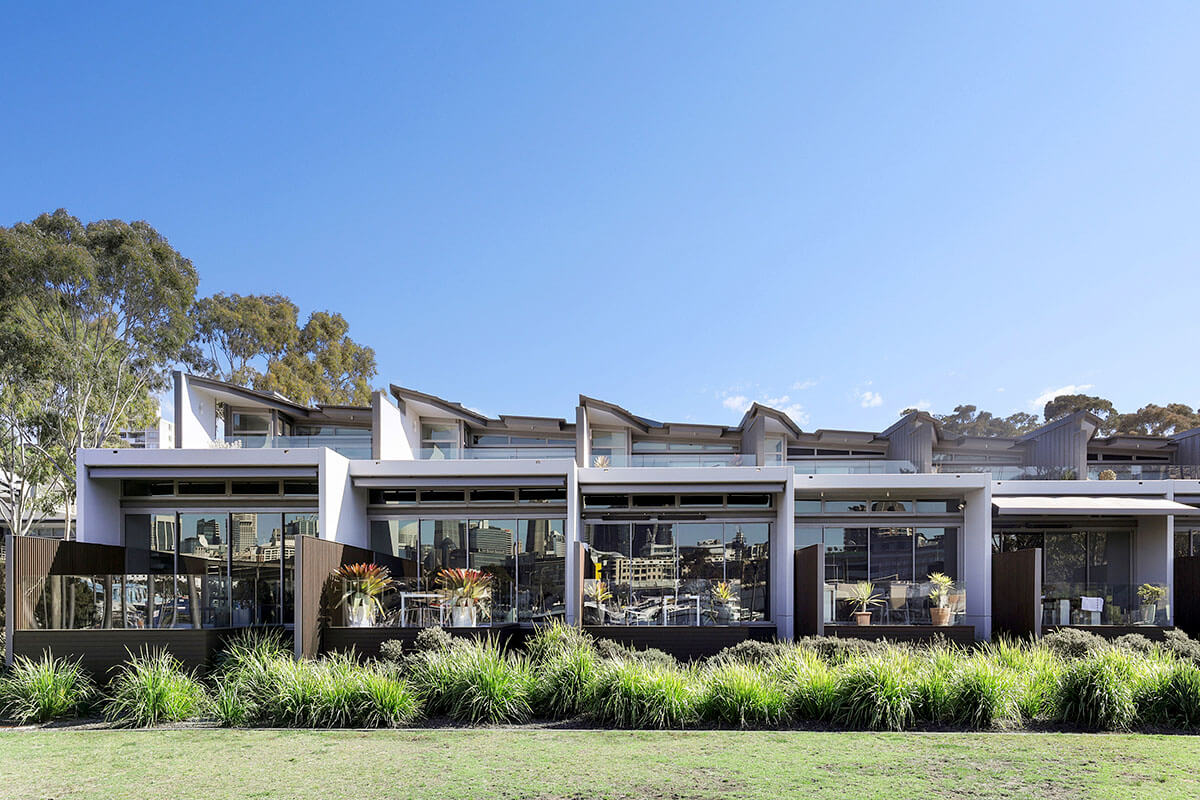
The Low and Mid-Rise Housing Policy is about creating more housing choice for people at different stages of life.
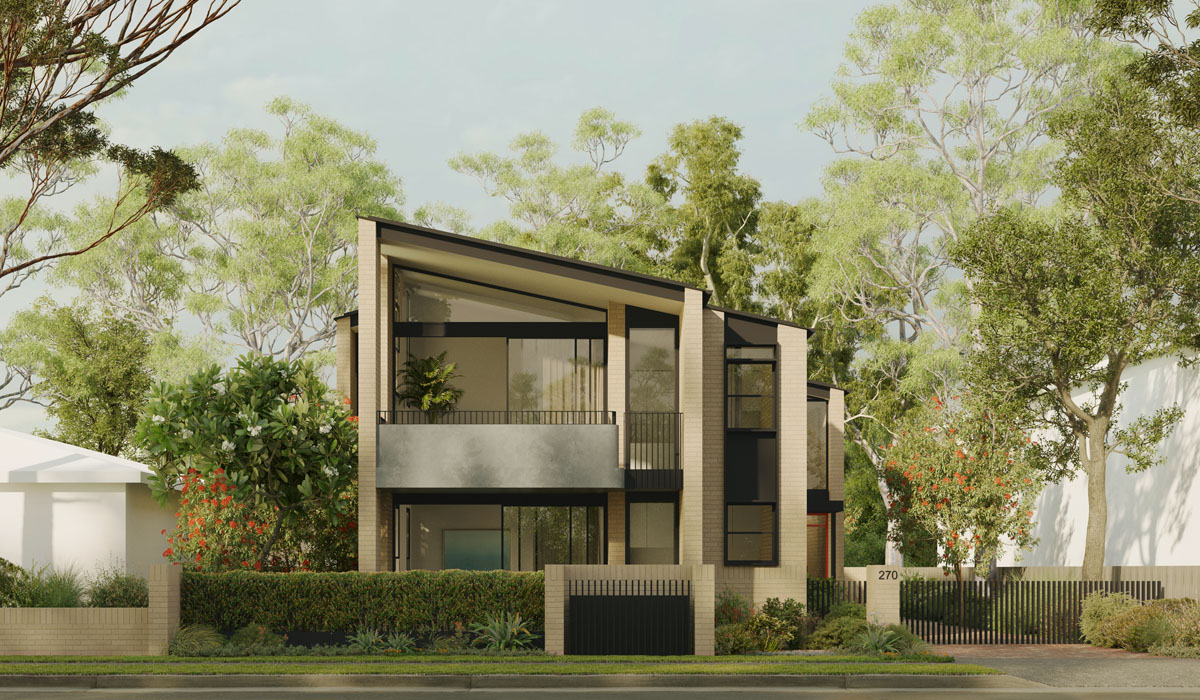
The NSW Housing Pattern Book is a guide for developing more sustainable and affordable low- and mid-rise homes to support the state’s growing population.

Transport Oriented Development encourages sustainable, mixed-use development around transport nodes. It aims to create vibrant and walkable communities.
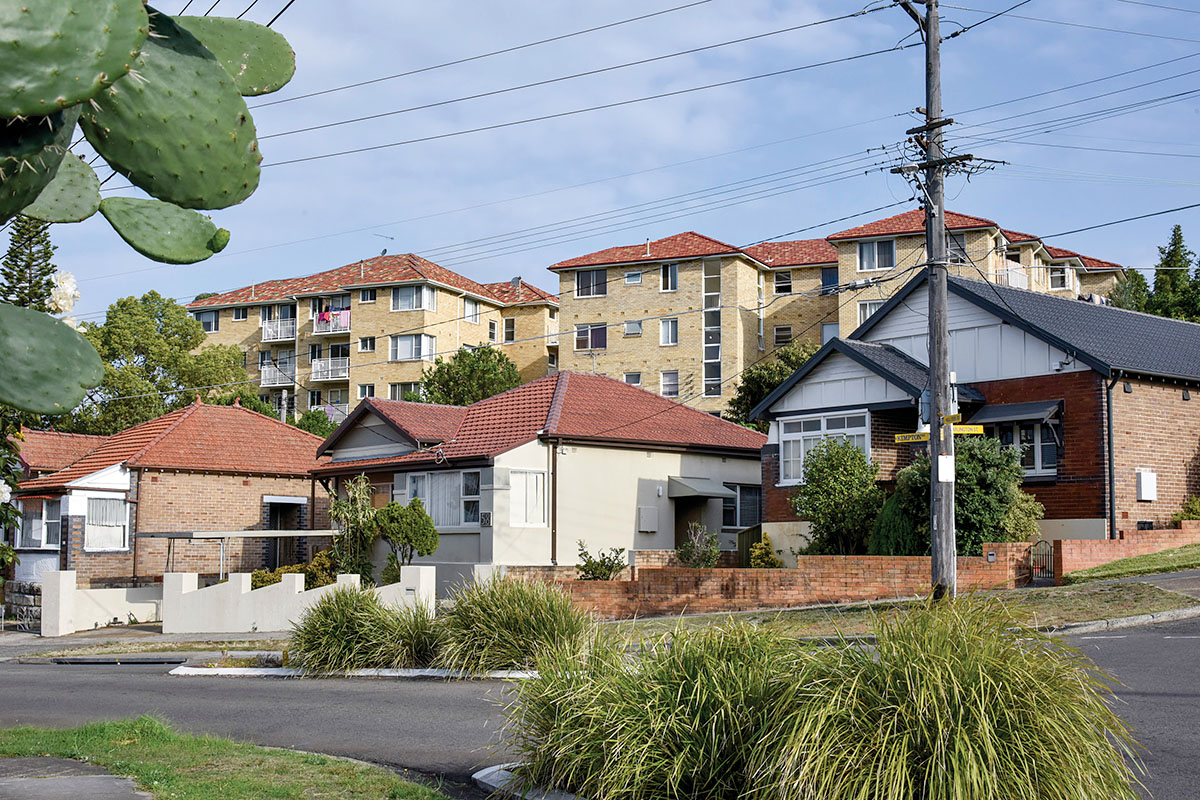
In-fill affordable housing provides opportunities for the delivery of new affordable housing to meet the needs of households on very low to moderate incomes.

The Renewable Energy Planning Framework has been developed to help NSW transition to renewable energy. It includes guidelines for wind and solar energy generation and transmission infrastructure.
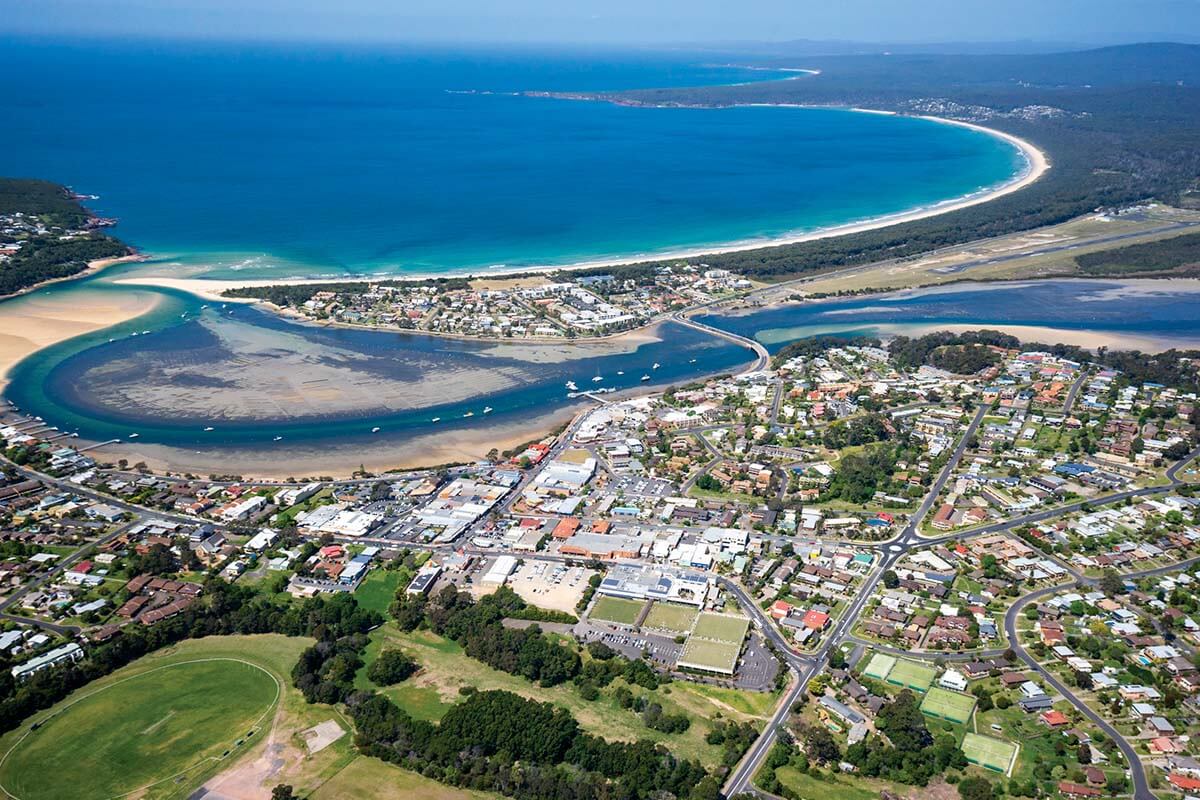
We are reducing the number of applications that need concurrences and referrals and improving system efficiency to deliver faster decisions.

Employment lands are areas zoned for industrial or similar purposes. They provide essential land for the delivery of goods, utilities and urban services.

We have delivered a simplified employment zone framework to support job creation and increased productivity.

We work with proponents, councils and NSW Government agencies to resolve issues so that decisions can be made more promptly.

The NSW Public Spaces Legacy Program is a $250 million investment in high quality public open space, by incentivising accelerated development assessment speeds and creating long lasting community benefit.

We’ve brought forward immediate reforms to the planning system to support productivity, investment and jobs during COVID-19.

The Priority Assessment Program identifies and case-manages projects with the potential to deliver a strong pipeline of investment, public benefit, growth and jobs.
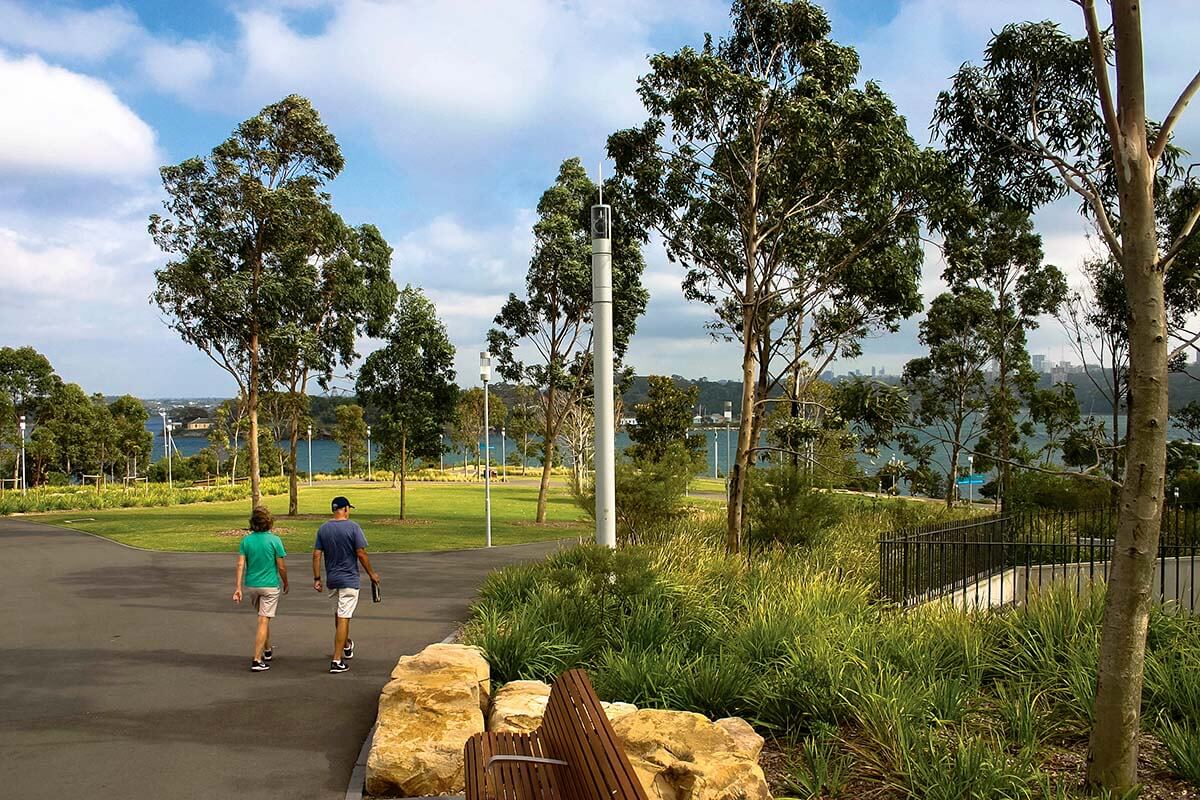
We have made changes to major project assessment to reduce timeframes, increase environmental assessment quality and deliver better outcomes.
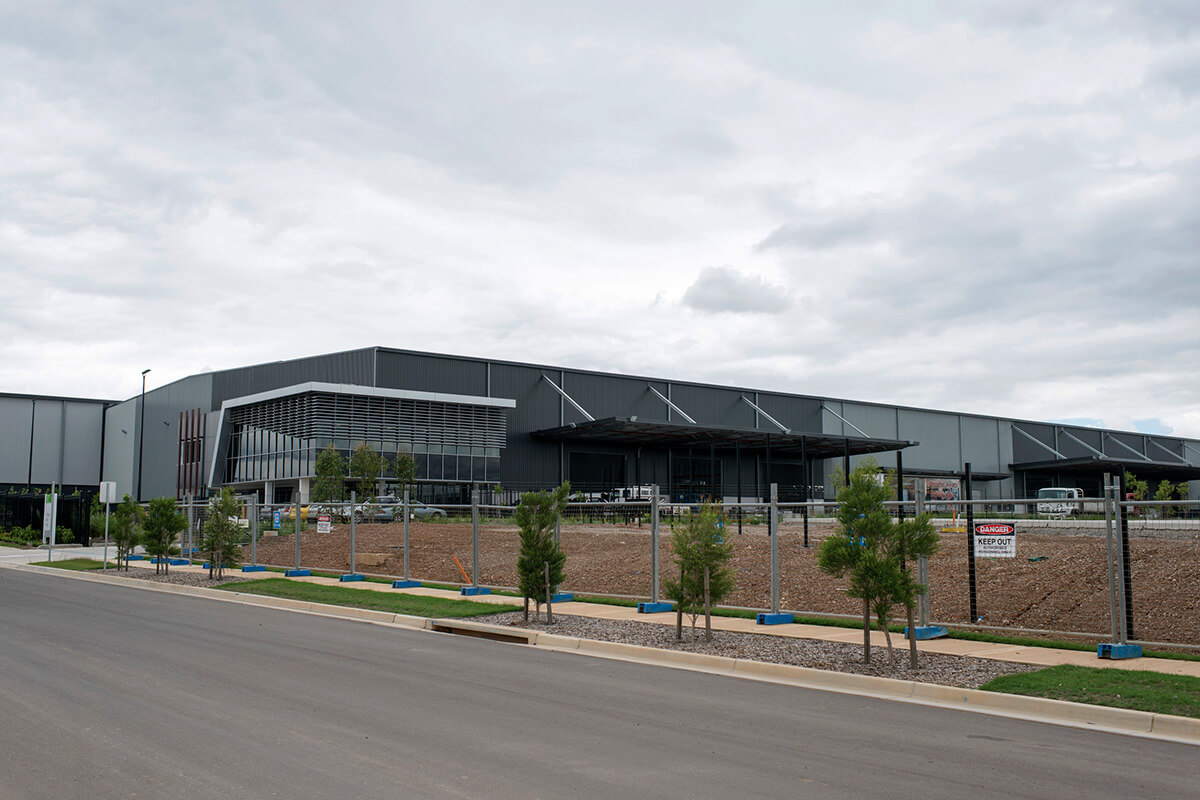
We've made temporary changes to include more warehouses and data centres as state significant development to support the economy and the rapid growth in the e-commerce sector.

A guide to writing conditions of development consent and best practice conditions are available to further assist councils help achieve certainty and consistency.